
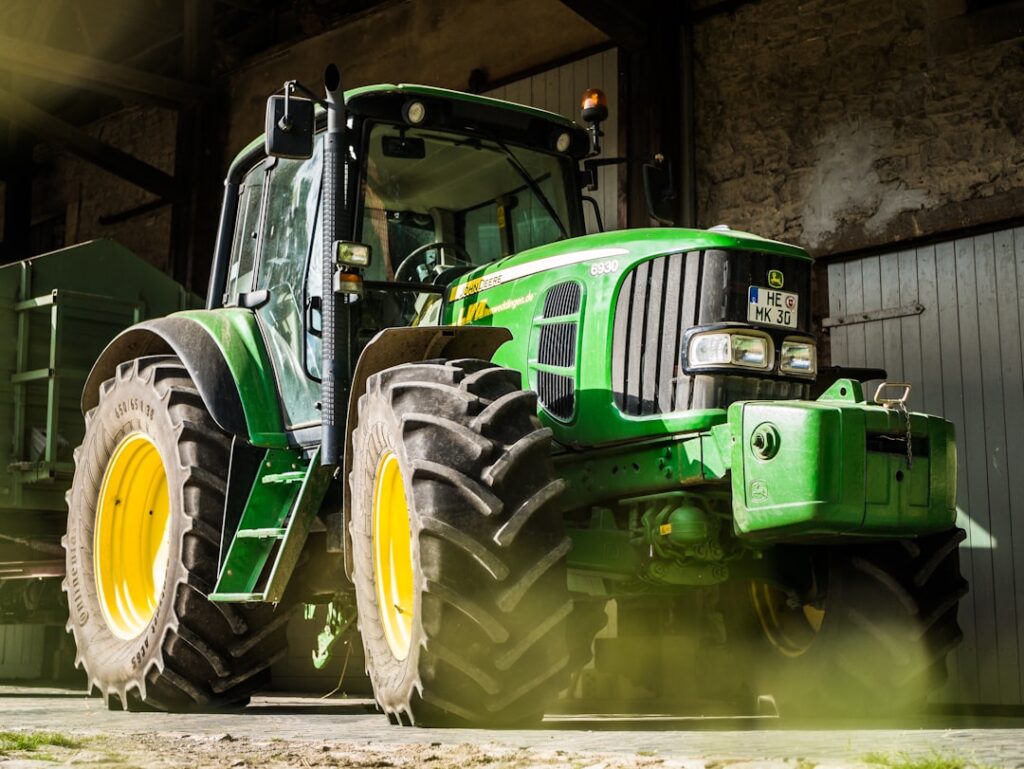
Harvest Tyres: Practical Choices for Farmers
Imagine heading out to harvest only to find your tractor stuck because of worn or flat tyres. Such setbacks can stall your entire schedule and boost costs when every hour counts. Too often, farmers don’t give their harvest tyres the attention needed to keep machinery reliable during crunch time. Regular checks, including inspecting sidewalls for cracks or cuts and monitoring tread depth, can prevent surprise breakdowns. Replacing tyres before they reach critical wear saves you from expensive downtime and keeps operations smooth. Choosing the right harvest tyres means matching them to your tractor’s workload and the fields you work. Not all tyres serve the same purpose. For example, flotation tyres distribute weight over a larger area, which helps in soft, muddy soils by reducing compaction and improving grip. On firmer ground, standard agricultural tyres offer better durability and handling. Knowing which tyre fits the terrain and load demands can reduce damage to both your soil and your equipment. Tyre pressure is another factor that often gets overlooked. Running tyres too hard causes a rough ride and less grip, while low pressure increases fuel consumption and speeds up tread wear. A simple pressure gauge should be part of your pre-field routine. Farmers who adjust their tyre pressures based on load and terrain see longer tyre life and better fuel economy. It’s a small step that makes a noticeable difference. Check the tread wear carefully for uneven patterns. If one side shows more wear, your tractor’s alignment might be off or the load may not be balanced properly. Uneven loading isn’t just hard on tyres; it can affect handling and safety too. Fixing these issues early avoids costly repairs later on. It’s worth keeping a maintenance log noting tyre inspections and any adjustments made to keep track over seasons. Seasonal changes affect how tyres perform in the field. In wet weather, deeper treads cut through slick surfaces better, offering more control and reducing slippage. When conditions dry out, smoother treads can help you cover ground faster with less resistance. Switching tyres or adjusting tread choices to match the season improves efficiency and protects your equipment from unnecessary wear. Finding the right tyres means working with suppliers who understand tough field conditions and carry durable products built for heavy use. Local providers often offer hands-on advice tailored to your specific needs, which helps when choosing between brands or types. Visiting a local dealer lets you see the product firsthand and get clear guidance on what works best for your harvesting setup. harvest tyres represent a serious investment but one that keeps equipment running when it counts. Having a dependable local supplier also means faster service when you need replacements or repairs. Building a relationship with someone knowledgeable about your machinery helps avoid delays in peak season. If you’re unsure about tyre options or maintenance practices, reach out to those who provide farm tyre advice in victoria. Getting practical input from people who know your area and conditions makes a big difference. A good habit is to carry a small repair kit and a portable air compressor during harvest runs. Flat tyres can happen anywhere, and quick fixes minimize downtime. Also, take time each season to review your tyre inventory and check for ageing rubber or damage from previous work. Keeping records of tyre models, purchase dates, and usage hours helps plan replacements methodically rather than reacting to failures. In short, paying attention to tyre condition, fitment, pressure, and seasonal suitability leads to smoother harvests with fewer interruptions. Tyres are more than just components; they’re part of the daily workload that impacts efficiency and costs on the farm.