
October 21, 2026

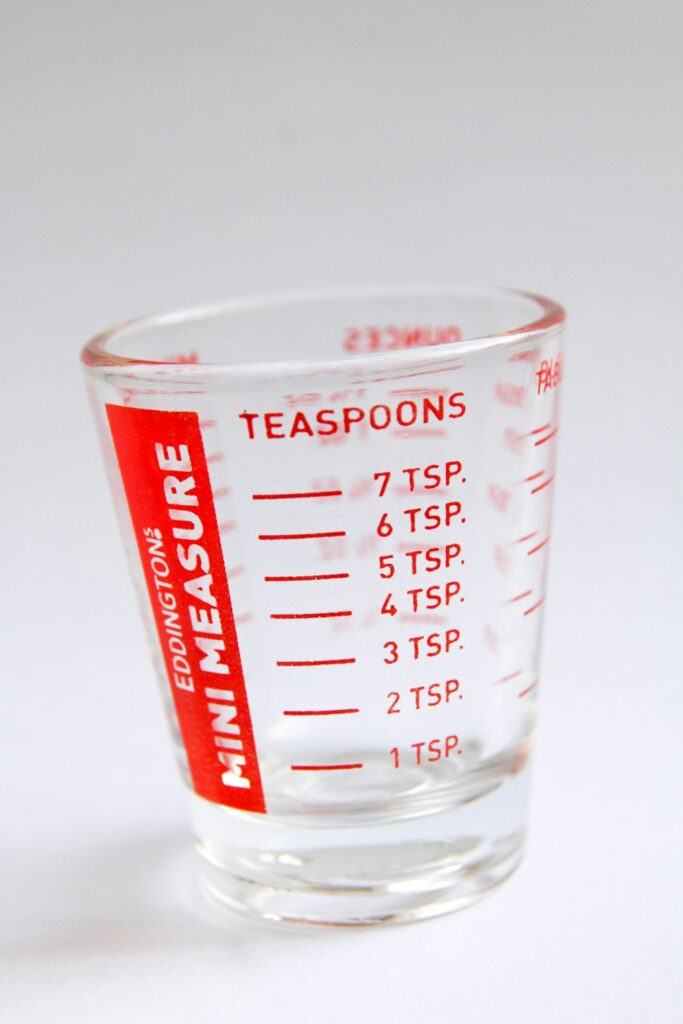
clear plastic cup with red liquid inside
IT

Pesticide Measuring Cups, Used Right

A crew is preparing a tank mix when someone reaches for a household cup, estimates the liquid level, and pours it into a sprayer. The mistake may seem minor, but an incorrect volume can change the concentration of the finished mixture. It can also leave chemical residue on an unsuitable container or create an avoidable splash during transfer. The issue is not necessarily carelessness. A household cup provides no dependable control over the amount and may not be designed for contact with agricultural formulations. A dedicated measuring pitcher gives the preparation process a more controlled and repeatable starting point. The better approach begins with pesticide measuring cups intended for controlled liquid handling. Clear graduations let an operator read a target volume directly instead of relying on an estimate. Graduations are the lines that divide a container into measured increments, while capacity describes the largest volume it is intended to hold. Several sizes can serve different jobs, from a small spot treatment to a larger sprayer load. Selecting a suitable capacity helps prevent overfilling and leaves enough room to read the measurement without crowding the scale. Reading the liquid correctly requires more than finding a marked line. The meniscus is the slight curve that forms at the surface of a liquid. For many water-based liquids, the operator should place the pitcher on a level surface or hold it level, then read at eye height using the bottom of the curve against the marking. Looking down can make the amount appear greater, while looking up can make it appear smaller. In a hypothetical rushed morning setup, pausing for this eye-level check could prevent a guess from becoming the basis for the entire tank mixture. Container design also affects the transfer itself. When liquid must move from a storage bottle into a narrow tank opening, a shaped spout can help guide the stream, while a stable handle supports control when the operator wears protective gloves. A spill-resistant design may reduce splashing during ordinary pouring, but it does not replace the product label, required protective equipment, or careful handling. Ergonomics means designing an object around controlled and comfortable use. This matters when a pitcher is full because an awkward grip can lead to hurried pouring, an uneven stream, or a second attempt. Material compatibility should be checked before a cup enters routine service. Compatibility means the material can tolerate the chemical without softening, cracking, swelling, or becoming difficult to clean. The pesticide label and supplier guidance remain the authority because formulations differ, even when two liquids look similar. A hypothetical landscaping team might use one pitcher for several products and assume that rinsing makes every reuse acceptable. That assumption can create cross-contamination. A written cleaning procedure, separate equipment where appropriate, and inspection for damage help protect both the measurement and the next application. Accuracy depends on maintenance as well as the original design. Before use, an operator can confirm that graduations remain legible, the spout is clear, and the handle and body show no cracks. Residue, staining, or abrasion can obscure markings and make a careful reading harder. After use, cleaning should follow the product label and workplace procedures rather than an improvised method. The pitcher should be stored away from food and household containers, with its purpose clearly understood. Some operations may also document inspections or compare the vessel with a known volume when their process calls for that control. A practical purchasing decision therefore considers more than capacity. Review the volume range, readability, pouring control, material guidance, cleaning routine, and storage plan. Available sizes may include 4 ounce, 8 ounce, 16 ounce, 32 ounce, 64 ounce, and 128 ounce options, allowing the tool to fit different preparation tasks. Custom markings or branding can help identify dedicated equipment, but they should not replace clear graduations. Teams comparing chemical measuring equipment can assess a sample or hands-on review before regular use. The original mistake treated measurement as an afterthought; the better method builds controlled pouring into preparation from the start.


person holding black and gray metal tool
Car

18 Inch All Terrain Tyres Guide

Your four-wheel-drive is loaded for a weekend away, but the original tyres are nearly worn and the route includes gravel, mud and long motorway stretches. Choosing 18 inch all terrain tyres means balancing those conditions rather than selecting the most aggressive-looking tread. Start by listing how you actually drive: commuting, towing, farm access, touring or occasional tracks. An all terrain tyre is designed as a compromise, with tread features for loose surfaces while retaining road manners. If most journeys are urban, a road-biased option may be quieter and more comfortable than a highly open pattern. Check the tyre size before comparing tread designs. The 18 inch measurement refers to the wheel diameter, not the complete tyre height or width. The remaining numbers on the sidewall identify width and aspect ratio, which is the sidewall height expressed as a percentage of the width. A lower profile usually gives sharper steering response, while a taller sidewall can provide more flexibility over corrugations and stones. Your vehicle handbook, placard or existing sidewall markings should guide the approved size. You can then compare 18 inch all terrain tyres without risking an unsuitable fitment. Tread pattern is the next decision. Large gaps between tread blocks can help clear mud and gravel, while closely spaced blocks generally feel more settled and produce less noise on sealed roads. Sipes are small cuts in the tread blocks that create extra edges for grip, particularly on wet surfaces. They do not turn an all terrain tyre into a dedicated mud or winter tyre, so expectations matter. For example, a driver travelling mainly on bitumen with occasional camp-site tracks may prefer a moderate pattern, whereas a rural user facing wet clay may need a design made for more demanding off-road work. Consider the casing as well as the tread. The sidewall is the tyre’s outer vertical section, and its construction affects resistance to cuts, steering feel and ride comfort. A tougher sidewall can be useful around sharp rocks, but extra reinforcement may increase weight and make the vehicle feel less supple. Load index is the coded figure showing the maximum load a tyre is designed to carry at its stated conditions. Never choose a lower rating than the vehicle requires, especially when towing, carrying tools or filling a touring vehicle with camping equipment. Speed rating also deserves attention, even when off-road grip is the main concern. This letter indicates the maximum speed rating under specified test conditions, and it should meet or exceed the vehicle manufacturer’s requirement. It is not a recommendation to drive at that speed. A tyre with the correct load and speed ratings is a safer starting point than one chosen only for a rugged appearance. Ask the retailer to confirm the complete marking, including size, construction, load index and speed rating, rather than relying on the wheel diameter alone. Noise, fuel use and wet braking can separate two tyres that look similar. Heavier construction and aggressive tread may increase rolling resistance, meaning the engine can need more energy to maintain speed. Open blocks may also hum on smooth roads. These trade-offs are not automatically faults; they may be worthwhile for a vehicle that regularly leaves sealed roads. A commuter who drives 25 minutes each way on asphalt could value quiet running, while a property owner travelling across gravel every day may reasonably prioritise durability and loose-surface traction. Choose a supplier that checks the whole vehicle, not just the requested wheel size. Confirm clearance around the suspension and guards, the required pressure, alignment condition and whether the tyres will be fitted as a complete set. Uneven wear can indicate incorrect alignment or inflation, and replacing tyres without addressing that issue can shorten their useful life. Ask how the chosen pattern suits your normal roads, load and climate, and compare the advice with a broader 4×4 tyre range. The right decision is a documented fitment that matches your driving, not simply the deepest tread in the showroom.

a group of people in a room with a projector screen
Legal Services

Employee Relations Training: Myths, Facts

A supervisor is preparing for a difficult meeting after an employee says a roster change is unfair, while another team member has raised a complaint about inconsistent treatment. The manager may assume a policy, a firm tone, or a quick decision will settle matters. That is the first myth: employee relations training is simply a lesson in enforcing rules. In reality, useful training helps managers recognise risk, ask appropriate questions, separate facts from assumptions, and respond consistently. It also gives them a process for escalating matters when an issue may involve a contract, workplace policy, award, or agreement. Another common myth is that training means memorising employment law. Legal knowledge matters, but it is only useful when managers can apply it to ordinary conversations. Effective employee relations training can explain concepts such as procedural fairness in plain English. This means giving a person a reasonable opportunity to understand the concern and respond before a decision is made. It does not require a manager to tolerate misconduct or delay every action. It requires a measured process, clear records, and a decision based on relevant information rather than hearsay or personal preference. Consider a frontline manager who hears that an employee has been speaking aggressively to colleagues. The myth is that the manager should immediately label the conduct bullying and issue a warning. The more reliable approach is to clarify what happened, when it occurred, who was present, and whether similar reports exist. A complaint is an allegation, not proof. Training should distinguish investigation from discipline, while explaining confidentiality carefully. Confidentiality does not promise that no one will be told; it means information is shared only as needed to handle the matter fairly and responsibly. A further myth says workplace conflict should be avoided because discussing it will make the situation worse. In practice, early consultation can prevent assumptions from hardening into formal disputes. Consultation means seeking and considering employees’ views before a change that affects them, while recognising that listening does not always mean accepting every request. Enterprise bargaining has its own structure, with representatives negotiating employment conditions under an applicable legal framework. Managers need to understand their role, the limits of their authority, and when specialist advice is appropriate. Clear preparation is more useful than improvised promises or threats. Technical language can also obscure straightforward responsibilities. An industrial instrument is a legally recognised source of employment conditions, such as an award or enterprise agreement. A policy is an internal rule or expectation, and it cannot automatically override a higher legal entitlement. A grievance is a complaint about treatment, conduct, or a workplace decision; it is not necessarily a disciplinary finding. Training should show managers how these sources interact, how to check which document applies, and how to avoid presenting an uncertain interpretation as settled fact. This distinction is especially important when rostering, pay, leave, or performance concerns overlap. Myth-based training often treats bargaining as a contest in which the strongest personality wins. Reality is closer to structured preparation and disciplined communication. A manager may need to identify priorities, distinguish interests from fixed positions, and understand the consequences of proposed changes. Tactical bargaining concerns the timing and method of proposals, but tactics should not replace lawful conduct or respectful engagement. For example, a team seeking altered hours may value predictability more than a particular start time. Exploring that interest can reveal workable options without implying that every proposal will be accepted. The final myth is that training ends when the workshop finishes. Skills become reliable when managers practise them, receive feedback, and use consistent templates for notes, meeting invitations, and follow-up actions. A short coaching exercise can test whether a manager can explain a concern without prejudging the outcome, listen without making an unauthorised commitment, and identify the next step. Regular review can also reveal patterns, such as repeated complaints about one process or uneven application of a policy. Practical workplace relations guidance therefore connects knowledge with everyday decisions, helping managers act early, fairly, and within their authority.

Scroll to Top