
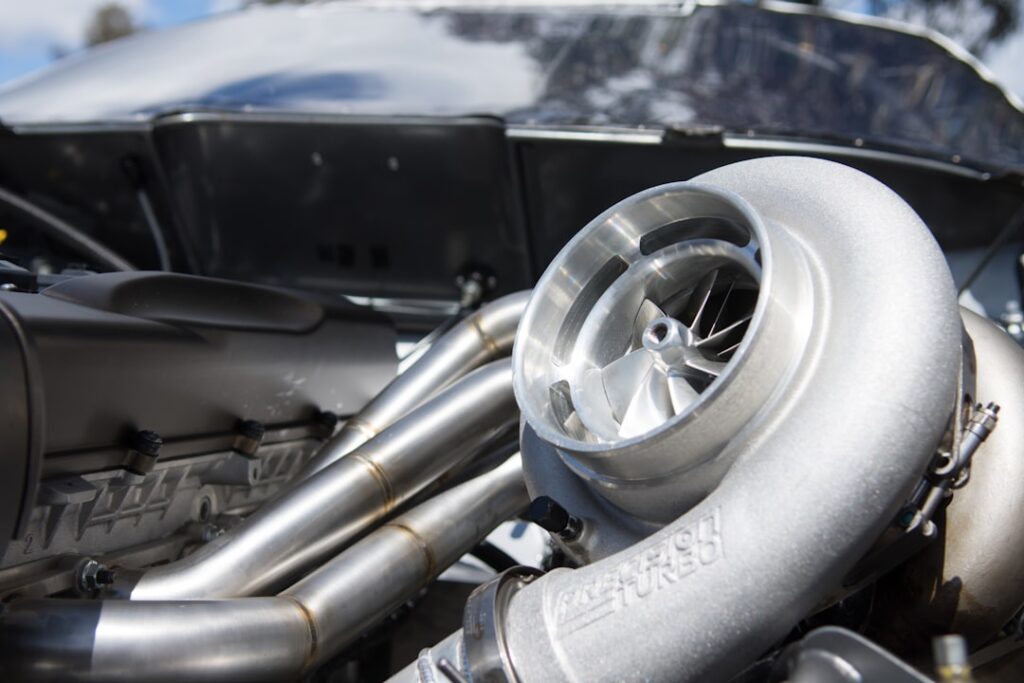
Garrett G Series II Turbochargers
Picture yourself on the track, pushing hard through a tight corner, but your car feels sluggish, lacking the punch you expected. Upgrading the turbocharger could be the key to getting that edge. The Garrett G Series II turbos, ranging from the smaller G25 to the larger G55, offer a solid lineup for improving airflow and reducing lag. These units are built to spool quickly and maintain strong power delivery across a wide RPM band, making them suitable for street cars and race vehicles alike. The G Series II models stand out thanks to improved aerodynamics. For example, their AERO technology refines blade shapes to cut down drag and boost flow efficiency. That means quicker boost response and a more linear power curve. Drivers often notice smoother acceleration without the sudden surge or flat spots common with older designs. Whether you’re upgrading a weekend track car or simply want more pep on the street, these turbos balance performance with dependability. If you run a tuning shop, recommending the right model matters. The G30 is a popular choice for customers wanting a solid mid-range turbo. It delivers substantial power while keeping boost pressure manageable, which helps prevent unexpected stress on engine parts. Customers new to forced induction often appreciate this balance since it reduces the chance of needing extra engine work or ECU tuning. On the other hand, motorsport teams looking for peak output often pick the G42 or G45. These turbos handle higher boost levels and elevated exhaust temperatures with less wear, important during endurance races or sprint events where durability is tested. The trade-off here is drivability; these larger turbos can feel less responsive at low RPMs and may require supporting mods like upgraded fuel systems or engine management tweaks. An important upgrade in this line is the ball bearing system replacing traditional journal bearings. This cuts friction inside the turbo shaft, resulting in noticeably faster spool-up times and sharper throttle response. In racing, shaving even a few tenths of a second off turbo lag can make a difference in lap times. It’s not just about outright power but how quickly that power arrives. Compatibility is another practical consideration. Installing a Garrett G Series II turbo often means upgrading related components such as intercoolers, intake piping, and exhaust headers to get the most from the setup. Skipping these supporting changes can lead to heat soak issues or restricted airflow that limit performance gains. Experienced tuners usually advise running a full system check before finalizing the install. For those wanting detailed specs or user reviews, visiting Turbosmart can be helpful. This site offers thorough listings of each model’s dimensions, compressor maps, and real-world feedback from enthusiasts who’ve tested them on various engines. Checking these details beforehand helps avoid common misunderstandings like mismatched turbine housings or incorrect flange sizes that cause delays during installation. Finally, shops should guide customers by matching turbo choice to driving style and goals. Street drivers might prioritize responsiveness and longevity, while racers focus on maximum boost capacity and heat tolerance. Reading through technical sheets and discussing potential ancillary upgrades helps prevent costly mistakes. A practical habit is always verifying whether the vehicle’s ECU requires adjustment to handle increased airflow and boost levels, as neglecting this step can lead to poor performance or engine damage. If you want more context on supporting parts or general turbocharger advice, try browsing performance upgrades for turbo cars. It’s a solid resource for understanding what else might be needed beyond just swapping turbos.