

February 24, 2026

group of people waving their hands
Events

Illuminate Your Church Space

Walking into a church for the first time, the lighting often shapes your initial impression more than the architecture itself. Proper lighting can turn a routine service into an experience that draws people in, helping focus attention and setting the mood. Church lighting isn’t just about brightness; it’s about crafting an atmosphere that supports worship and community activities. Whether you need gentle ambient light for quiet prayer or stronger illumination for events, knowing how to layer and adjust your lighting is key for any church leader. One effective method is layering lighting types: ambient, task, and accent. Ambient light fills the room evenly, task lighting targets specific places like lecterns or communion tables, and accent lights highlight features such as stained glass or woodwork. During weddings, for instance, using soft ambient lights creates a warm feel while spotlights on the couple ensure they stand out during their vows. It’s common for churches to adjust these layers to suit services throughout the week. The choice of fixtures makes a big difference too. Modern congregations often prefer LED lights for their efficiency and long life. These can be dimmed easily to suit different moods. On the other hand, traditional churches might stick with chandeliers or wall sconces that reflect their heritage and add character. A frequent oversight is neglecting how fixtures affect maintenance; some models require regular cleaning or bulb replacement, which can disrupt activities if not planned properly. Colour temperature influences how welcoming the space feels. Warmer tones create intimacy and calm, suitable for evening prayers or meditation groups. Cooler tones work better in daylight services where they complement natural light without causing glare. Testing different temperatures during trial runs helps avoid surprises on service days and ensures the lighting supports the congregation’s emotional connection. Consulting specialists in church lighting can save headaches later. They understand current trends and technologies that balance aesthetics with function. They also help with technical details like wiring plans and ensuring compliance with local codes. One practical tip is to request detailed diagrams showing fixture placement and electrical loads before installation begins; this prevents costly rewiring or fixture relocation after work starts. Engaging the congregation in lighting choices can improve satisfaction and avoid conflicts. Hosting meetings or distributing surveys about lighting preferences and needs invites feedback from those who use the space most. It also helps identify overlooked areas, such as dim corners or overly bright spots. Many churches find that input from volunteers who set up for events offers valuable perspectives on practical lighting needs. Every lighting decision contributes to how your church feels and functions. A thoughtful design creates spaces that look inviting and support worship effectively. For those interested in more detailed guidance or examples, you can find practical church lighting advice here. Investing time upfront in planning and community input makes a lasting difference in your church’s atmosphere. church lighting practical church lighting advice
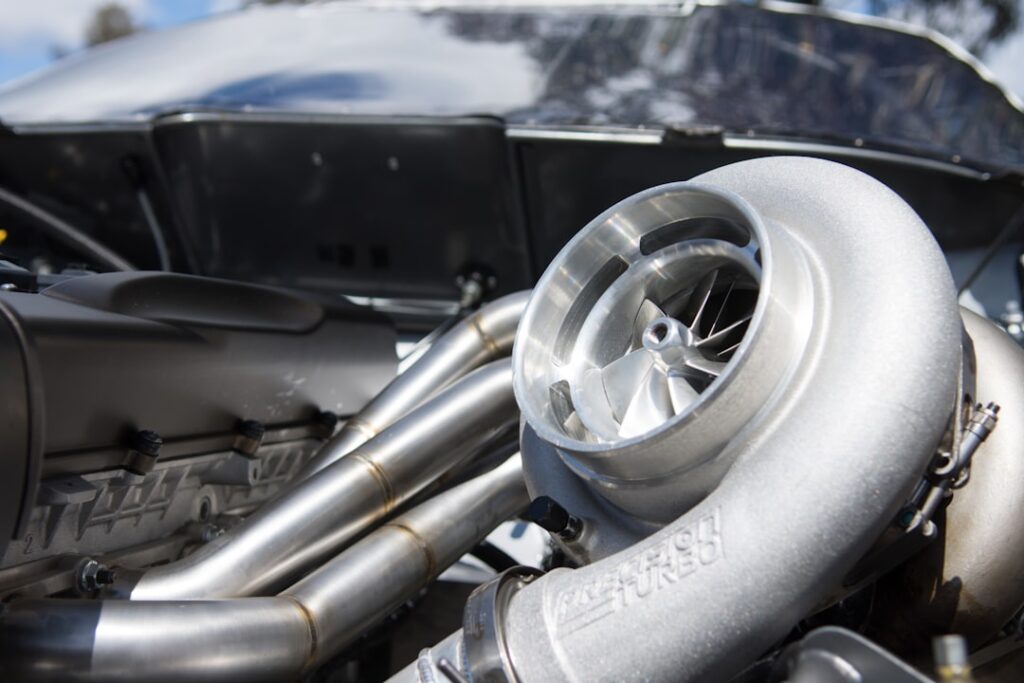

a close up of a car engine
Car

What Are HPT Turbos Really Like?

When car enthusiasts gather, HPT turbos often come up in conversation with a mix of enthusiasm and skepticism. Some praise their impact on performance, while others question their dependability. The truth is, understanding what HPT turbos actually deliver requires cutting through common myths and focusing on how they operate and fit different driving needs. HPT turbos boost engine power by pushing extra air into the combustion chamber, allowing more fuel to burn efficiently. This increases horsepower and torque, but picking the right turbo size isn’t as simple as bigger equals better. The ideal turbo matches the engine’s displacement, fuel setup, and intended use. For example, a daily driver benefits from a smaller turbo that spools quickly and maintains smooth power delivery, while a track car might need a larger unit for top-end performance. There’s also confusion about which vehicles can use HPT turbos. They’re not just for race cars. Many drivers upgrade their street cars to improve fuel efficiency and responsiveness without sacrificing reliability. A carefully selected HPT turbo can enhance throttle response and mid-range torque, making everyday driving more engaging without constant tuning headaches. Installing an HPT turbo often sounds intimidating. People assume it requires tearing down major engine components or fabricating custom parts. While some setups demand modifications to exhaust manifolds or intercoolers, many modern kits come close to plug-and-play. Still, it helps to have a clear checklist of your vehicle’s current condition, exhaust leaks, boost leaks, or worn sensors can cause problems if overlooked during installation. Turbo lag is another sticking point. It’s the delay between hitting the gas and feeling the turbo kick in. Older turbos had noticeable lag, frustrating drivers who want immediate throttle response. Thankfully, many HPT turbos feature designs like twin-scroll housings or variable geometry technology, which reduce lag significantly. Even so, understanding your driving style helps; if you frequently need quick throttle response in stop-and-go traffic, choosing a smaller or twin-scroll turbo often works better. Tuning after installing an HPT turbo isn’t optional if you want good results. Engine management systems need recalibration to handle the increased airflow and altered fuel needs. Without proper tuning, you risk running lean or rich mixtures that can cause engine knock or poor drivability. Experienced tuners will adjust fuel maps, ignition timing, and sometimes boost control to ensure the setup runs safely and efficiently. For those weighing their options, browsing products from trusted sources sheds light on what’s available. Checking specifications against your engine’s characteristics helps narrow choices. For example, HPT Turbos offers detailed charts on compressor maps and flow rates that assist in matching turbos to various applications. Also, reliable parts vendors provide guidance on installation tips like tightening torque specs for fittings and ensuring fresh gaskets are used to prevent boost leaks. Simple steps like pre-checking vacuum lines or double-checking sensor connections can save hours of troubleshooting later on. For practical advice on turbo upgrades and compatible kits, see performance turbo kits information. Understanding what HPT turbos require in terms of engine compatibility, installation care, and tuning needs helps separate fact from fiction. With the right approach, these turbos can offer substantial performance gains without turning your daily driver into a headache.

white freight truck on road during daytime
Equipment

Truck Bed Tonneau Cover for Storage

Picture this: you’re out camping, rain starts unexpectedly, and your gear is wide open in the back of your truck. Without a solid tonneau cover, everything’s at risk of getting soaked or stolen. A quality truck bed tonneau cover locks up tight, often with theft-resistant mechanisms or keyless entry, so you can leave your truck unattended without worry. They’re built to keep water out, but also to keep prying hands away. Just make sure to check the lock’s fit regularly; a loose lock can defeat the whole purpose. If you use your truck for work, especially hauling tools or equipment, a tonneau cover is more than weather protection. It keeps your gear secure and organized, preventing damage from sudden rain or dust on job sites. Many covers now feature built-in LED lights inside the bed area, which can be a lifesaver when you’re digging for something after dark. You’ll want to test the lighting and power source before relying on it, as some setups can drain your truck battery if left on too long. Sizing is key when selecting a cover. Most products come in adjustable fits to suit different bed lengths and widths, but double-check measurements before ordering. A mismatch means wasted money and frustration. Also, look for covers with integrated racks or mounting points if you often haul bikes, kayaks, or ladders. Having the flexibility to carry oversized gear without removing the cover saves time and hassle. Installation varies widely across brands. Some covers snap on with clamps that anyone can handle in under 30 minutes without tools. Others require drilling or specialized tools and might be better left to a professional. If you’re not mechanically inclined, try to find a model with clear instructions and online tutorial videos. Many users report that missing steps in the manual cause unnecessary delays during installation. Pairing a tonneau cover with a truck camper storage box can transform how you manage your cargo. The storage box is perfect for smaller items like ropes, camping supplies, or power cords that tend to get lost under larger gear. Keeping these organized prevents endless searching and reduces wear from constant shifting during drives. It also helps keep your truck bed cleaner and more orderly. Durability matters if you spend lots of time outdoors or on rough roads. Look for covers made of heavy-duty materials like aluminum or reinforced vinyl that resist dents, tears, and fading from sun exposure. Some owners recommend applying a waterproof sealant annually, especially on soft covers, to maintain protection. Regularly cleaning off dirt and debris also prevents scratches and premature wear. A good tonneau cover improves your truck’s look as well as functionality. Sleek designs add curb appeal without compromising utility. But don’t sacrifice practicality for style, make sure the cover locks securely and fits snugly to prevent rattling noises that become annoying over time. Also, check compatibility with any bed liners or tailgate accessories you already have. Ready to upgrade your truck’s storage? Consider investing in a truck bed tonneau cover. Whether it’s for work tools or weekend gear, the right cover changes how you use your vehicle. Before buying, assess how often you haul bulky or valuable cargo and whether you’ll need quick access versus maximum security. If you want more information on truck accessories and storage options, visit truck storage and organization. You’ll find practical advice and products tailored to real-life use cases, not just flashy promises.

person holding pencil near laptop computer
Business

Small Business Tax Accountant Sydney Help

Navigating tax obligations can be a complex task for small business owners in Sydney. Finding the right support is crucial to ensure compliance and optimise financial outcomes. Small business tax accountants specialise in helping companies manage their tax affairs efficiently, providing tailored advice that suits the unique needs of smaller enterprises. They go beyond simple tax return preparation, offering strategic guidance on deductions, credits, and record-keeping that can significantly improve a business’s bottom line. For those considering professional assistance, it is worth understanding what services a small business tax accountant provides and how they can add value to your organisation. One of the primary roles of a small business tax accountant in Sydney is to help business owners minimise their tax liabilities legitimately. This requires a deep understanding of current tax laws and regulations, as well as awareness of changes that may affect your business throughout the year. By keeping abreast of legislative updates, an accountant can ensure that all eligible deductions are claimed and avoid costly penalties from incorrect filings. Additionally, working with a dedicated specialist allows you to focus on running your business while having peace of mind about your financial compliance. Engaging with a local professional also has practical advantages. A Sydney-based small business tax accountant is familiar with regional economic conditions and specific industry requirements that might influence your tax position. They can assist with various financial tasks such as bookkeeping, payroll management, GST returns, and BAS statements, which are integral parts of maintaining accurate records for taxation purposes. These services not only save time but also reduce the risk of errors that could lead to audits or unexpected charges. If you want to explore how expert assistance can benefit your company, consider consulting a recognised service provider who specialises in this field. Accessing specialised advice through reliable sources will help you make informed decisions about your finances and taxation strategies. For more information on how these professionals work with small businesses in Sydney, visiting a dedicated website offers insightful resources and contact details for personalised consultations. In particular, you might find valuable guidance by reviewing options available from a small business tax accountant Sydney that understands local market nuances. Moreover, utilising accounting services helps streamline end-of-year processes such as preparing financial statements and lodging annual returns with the Australian Taxation Office (ATO). Expert input ensures accuracy and compliance when submitting documentation critical for assessing taxable income correctly. This reduces stress during peak periods and supports better cash flow management throughout the fiscal year. In conclusion, partnering with an experienced small business tax accountant in Sydney proves invaluable for navigating complex tax systems effectively. Their expertise allows businesses to not only meet legal requirements but also optimise financial performance through strategic planning and ongoing support. To learn more about available services tailored specifically for smaller enterprises operating within the Sydney area, visiting this resource provides comprehensive insights into managing your accounts professionally.

Scroll to Top