
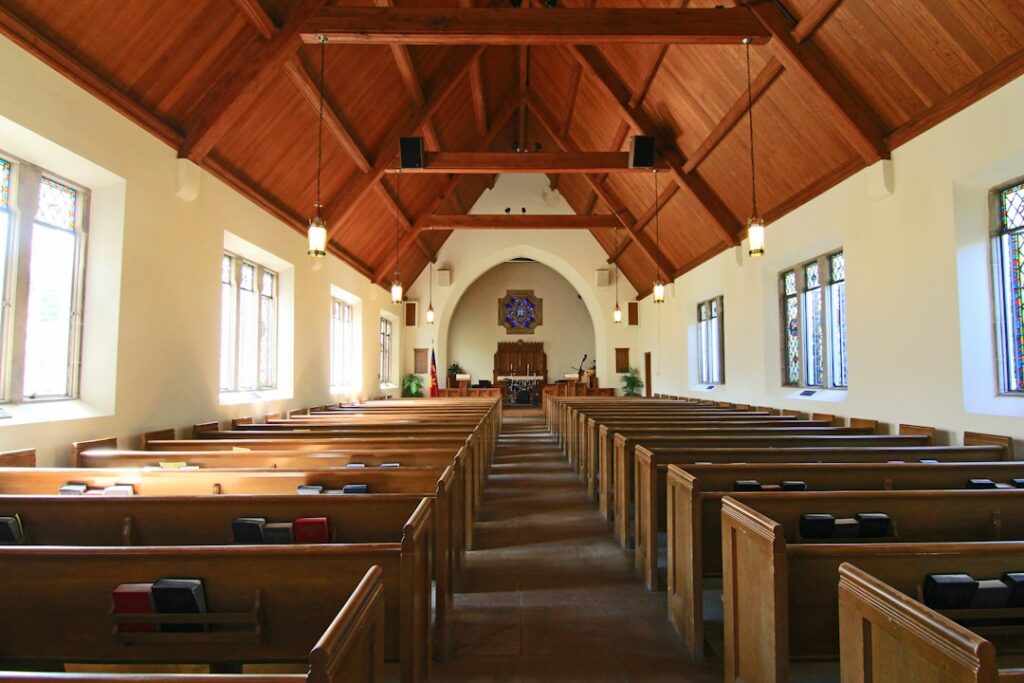
Church Lighting Planned for Worship, Music and Daily Use
A church can have fully functioning fittings and still feel poorly lit. The nave may be dim, the altar excessively bright, and the lectern hidden in shadow. People in hats become difficult to see, while a camera facing the chancel records a pale, unbalanced image. The first inspection should take place during the services and events the building actually hosts. Walk in from outside, sit in the rear pew, and note what happens as daylight fades. An empty church visited at midday will not reveal the same reflections, shadows or sightline problems. A sound church lighting scheme starts by separating the room’s visual tasks. General illumination should help people move safely, read service sheets and recognise faces. Other areas may need distinct emphasis, including the altar, pulpit, lectern, choir stalls and musicians. Illuminance describes the amount of light reaching a surface and is commonly expressed in lux. A higher reading is not automatically an improvement. Compare readings at seating, reading surfaces and faces, then relate them to how the space is used rather than chasing one bright figure throughout the building. Glare usually begins with an exposed source in the wrong sightline. A fitting aimed across a low roof can shine directly into the eyes of anyone looking towards the chancel. Strong contrast creates discomfort too: a brilliant altar beside a dark aisle makes the aisle appear darker still. Beam angle affects how widely light spreads. Narrow beams can draw attention to a cross, carving or painting, but they may leave a hard-edged patch on the floor. Wider distributions are often more forgiving over pews. Shielding, careful aiming and reflected light can improve comfort without increasing output. White light has two separate qualities that should be assessed in the actual building. Colour temperature describes whether it appears warm and amber-like or cooler and more blue. Colour rendering describes how faithfully it reveals skin, vestments, timber, stone and artwork. A lamp can make a room look bright while leaving faces dull or red vestments inaccurate. Compare sample fittings beneath the church’s existing lamps and near its windows. Stained glass, pale plaster and dark wood all affect the result. Record the selected colour settings on the project file so replacement lamps do not introduce a noticeably different appearance later. Controls should reflect the timetable, not the wiring convenience of the original installation. Useful zones might include seating, chancel, choir, circulation and display areas. Dimming lets each group support a different activity without switching every fitting off or on. A prayer service may need restrained background light, while a reading requires clearer illumination at the lectern and a concert may need stronger light on performers. Put scene names such as Service, Cleaning and Concert beside the controls. Ask the caretaker to operate them without assistance, and correct confusing labels before handover. A short trial often exposes more than a plan viewed on a screen. Access and conservation need attention before equipment is ordered. Check the maintenance route for every fitting, including whether a tower, lift or other access equipment will be needed for cleaning and fault finding. Drivers, junctions and control components should have known locations, reasonable ventilation and protection from accidental contact. Cable routes through historic fabric may need careful discussion, particularly in a listed church. Keep a marked drawing showing fittings, switches and accessible equipment. That record saves time when a lamp fails years later and prevents someone from drilling or removing panels simply to locate an unseen component. Imagine a parish church used for Sunday worship, a weekday exhibition and occasional music events. If only the front row receives strong light, the minister can read while the congregation becomes a dark mass. If every fitting points at the floor, exhibition labels may be clear but faces remain flat. Test a balanced scheme from the back pew, side aisle, choir stalls and camera position. Look for reflections on hymn books, polished furniture and display glazing. Ask someone to wear a typical hat or sit beneath the most difficult beam, since small obstructions can alter face visibility in ways a central viewpoint will miss. Commissioning belongs in the furnished room, after curtains, screens, music stands and temporary exhibition panels are in place. Walk the circulation routes slowly, sit in several pews, and check the lectern from the rear rather than raising output immediately. Adjust tilt, shielding and scene levels first. Save the final settings for each regular use, leave a simple fault reporting method, and explain which fittings the caretaker may safely clean or adjust. A clear record of lamp types, control zones and access arrangements supports later church lighting planning and reduces the chance that a small replacement job will undo the balance of the original installation.