
September 13, 2026

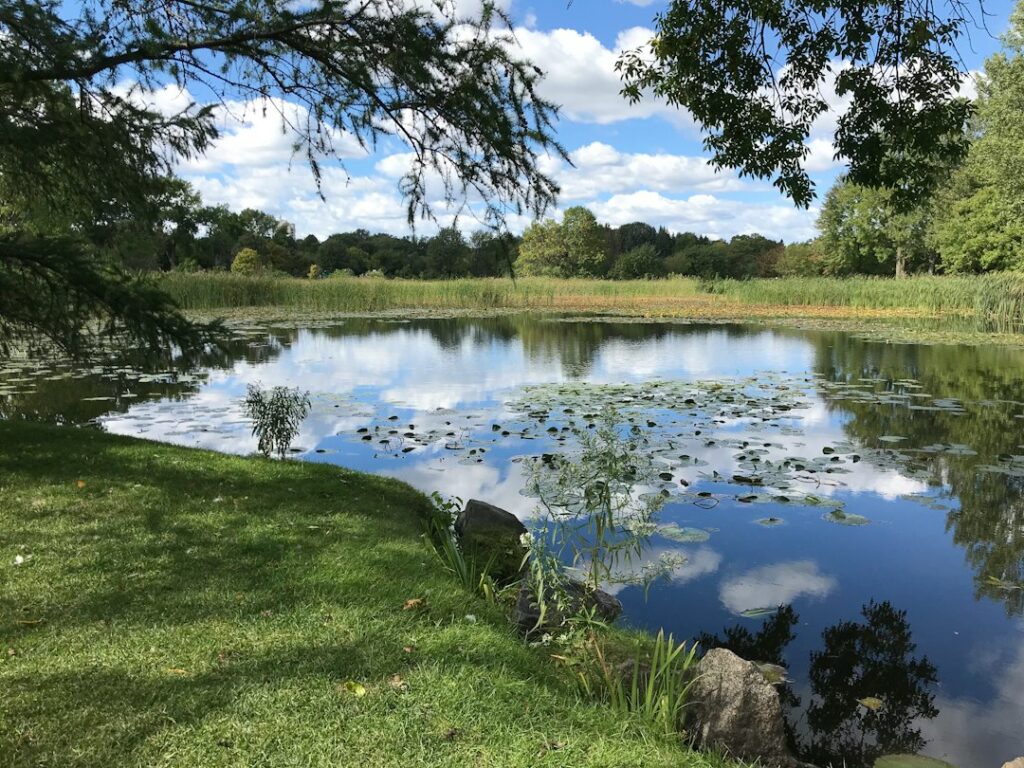
green grass field near lake under blue sky during daytime
Equipment

Pond Construction in Ontario: A Guide

Creating a pond in your Ontario backyard can transform your outdoor space into a relaxing retreat. But before you dig, there are several practical points to consider that will shape how your pond looks and functions. Start by deciding on the pond’s size and form. Large ponds demand heavier excavation and may need permits, while smaller ones fit neatly into garden corners. Define your pond’s purpose early on. Are you planning a decorative water feature, or do you want to keep fish and aquatic plants? This influences depth, filtration, and structural choices. Placement matters. A pond should get enough sunlight for plants and fish to thrive but avoid dense shade from trees, which dump leaves and debris causing maintenance headaches. Positioning near existing landscape features can help blend the pond naturally, but always check underground utilities before digging. A common mistake is overlooking soil type; clay soils hold water better but might require liner reinforcement, while sandy soils drain quickly and need extra sealing. Material selection impacts both appearance and durability. Natural stone edges look striking but take time to install properly and increase costs. Pre-formed liners or flexible rubber liners simplify construction and reduce labor. Whatever you pick, ensure the materials can tolerate Ontario’s freeze-thaw cycles. Cracks or leaks are often due to using subpar liners or poor installation techniques. Professionals often recommend adding a layer of sand beneath liners to avoid punctures from rocks. Budgeting realistically can prevent surprises. Basic ponds often fall between $4,000 and $7,000, covering excavation, a liner, and simple edging. Adding waterfalls, fountains, or complex landscaping can push costs above $15,000. Hidden expenses include electrical work for pumps or lighting and ongoing maintenance supplies. Request detailed quotes and clarify what each covers. Many homeowners underestimate the cost of regular upkeep like cleaning filters and trimming plants. Bringing in experienced landscapers familiar with local conditions can save time and frustration. They understand how to source native plants that resist pests and reduce chemical use. Sustainable practices also involve choosing fish species suited to Ontario’s climate and ensuring the pond supports local wildlife rather than becoming a mosquito breeding ground. For eco-conscious options, pond construction ontario services often offer tailored native planting plans that improve water quality naturally. After installation, maintenance is not optional if you want your pond to thrive. Routine tasks include checking water clarity, managing algae through aeration or natural treatments, and inspecting pumps and filters monthly. Overfeeding fish is a frequent error that leads to water quality problems. Seasonal steps like removing fallen leaves in autumn prevent decay buildup which can harm aquatic life. Keeping a journal of maintenance activities helps track issues before they escalate. If you’re ready to enhance your outdoor living area with a pond, start by consulting with local experts who understand Ontario’s environment. Whether you want a quiet reflective pool or a lively garden centerpiece, proper planning prevents costly redo work later on. For more ideas on integrating water features into your garden design visit water garden design ideas.

man standing in front of group of men
IT

How Performance Enhancement Coaching Can Elevate Your Game

Standing at the starting line, heart pounding, is familiar territory for many athletes. You’ve put in the hours, trained hard, yet that persistent voice of doubt can make it tough to perform at your best. That’s where performance enhancement coaching steps in. It tackles the mental blocks that hold you back, using psychological tools to sharpen focus and build confidence. Coaches don’t just hand out generic advice; they create personalized plans that address both your physical training and mental preparation. One of the most practical techniques used is visualization. Instead of just running drills, athletes learn to mentally walk through their entire performance. Picture a sprinter visualizing every stride, every breath, and every finish line moment. This mental rehearsal helps reduce anxiety and primes the body to respond more effectively during competition. It’s not magic, but consistent practice of visualization can deepen the mind-body connection, making actual execution smoother. Goal setting takes a central place in performance coaching. Coaches help athletes break down lofty ambitions into concrete, measurable targets. For example, a basketball player might focus on improving free throw accuracy by practicing a set number of shots daily or increasing points scored per game incrementally. These clear milestones keep motivation steady and progress easy to track. This approach also helps cut through the usual miscommunication about expectations between athlete and coach. Resilience is another cornerstone. Setbacks happen, injuries, bad games, or plateaus are part of any athletic journey. Coaches guide athletes in reframing setbacks as growth opportunities rather than failures. Techniques like journaling to track emotional responses or adopting a growth mindset encourage athletes to bounce back without dwelling on mistakes. Learning to adapt strategies rather than giving up is often what separates those who improve from those who plateau. Effective communication between coach and athlete is more than just sharing workout plans. It’s about building trust so athletes feel safe discussing fears or doubts openly. Regular feedback sessions are scheduled not only to tweak techniques but also to adjust mental strategies based on what seems to work or cause friction. Coaches often notice when small habits, like inconsistent sleep schedules or skipping warm-ups, impact performance and address these details early before they cause bigger issues. If you’re weighing whether performance enhancement coaching fits your needs, it’s worth checking out different styles and methodologies. Some coaches lean heavily on cognitive behavioral techniques, others on mindfulness or biofeedback methods. Resources like performance enhancement coaching give a good overview of approaches and philosophies you might encounter. Beyond improving athletic output, the skills developed through coaching carry over into daily life. Mental tools like stress management and goal setting assist with challenges outside sports, from work deadlines to personal relationships. Even amateur athletes aiming for personal records can benefit from professional guidance that clarifies priorities and streamlines training routines. For detailed advice on finding the right fit for your goals, you might want to explore mental training techniques. performance enhancement coaching mental training techniques

Scroll to Top