
Plan a Romantic Getaway in Hunter Valley
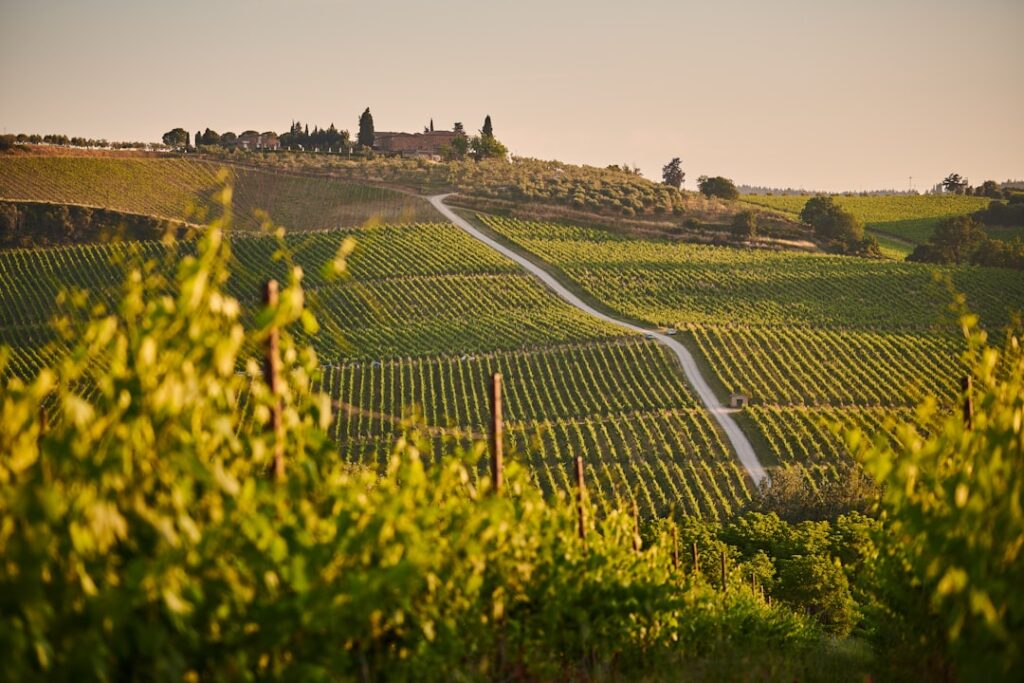
After a demanding week, a quiet retreat can be exactly what you need. Hunter Valley, with its scenic vineyards and peaceful countryside, provides an ideal setting for couples wanting to reconnect. Picture waking up to morning bird calls, surrounded by green hills and native bushland, all just a short drive away from city noise. This area offers more than wine tasting; it’s a place to make meaningful memories in a calm atmosphere. Redwood Park Wollombi is a standout option for couples who want a luxurious stay. Located within the natural charm of Hunter Valley, it features architect-designed eco suites that blend into the environment. Each suite balances comfort with an off-grid approach, letting guests relax without distractions from phones or screens. Stargazing from your own deck or slow walks through the bush are everyday pleasures here. When selecting your accommodation at Redwood Park, think about what fits you best. The Deluxe Eco Suites are roomy and come with upscale furniture and breathtaking views, perfect for marking special moments. For cooler nights, the Soho Suite offers stylish décor and a fireplace that invites cozy evenings together. These options cater to different tastes so every couple can find their ideal romantic hideaway. If you lean toward something rustic yet comfortable, The Barnstay is another excellent choice at Redwood Park. It marries modern amenities with traditional barn style, creating a warm, welcoming feel. With plenty of outdoor space, it’s easy to enjoy picnics on the grass or unwind while soaking up the quiet surroundings. The Barnstay provides a genuine country living experience paired with subtle luxury. The eco suites’ off-grid design means you can really unplug. Powered by solar panels and using water gathered sustainably, your stay respects the environment while keeping comfort high. This approach suits couples who care about reducing their footprint and want a break from everyday pressures. While staying here, make time for local attractions that add depth to your escape. Visit nearby vineyards for tastings or treat yourselves to gourmet meals made from fresh local ingredients. Many wineries offer tours explaining their wine-making process, these can be both fun and a nice way to connect over shared interests. Nature is a big part of any Hunter Valley visit. Take advantage of walking trails and scenic drives that reveal stunning views. Whether you prefer casual strolls holding hands or more challenging hikes through national parks, these activities help couples bond while enjoying the great outdoors. If you’re planning your own romantic trip, check out hunter valley romantic getaway options at Redwood Park Wollombi. With varied lodging choices and beautiful surroundings, it’s straightforward to craft memorable moments with your partner in this peaceful spot. Before booking, people often double-check travel details like driving times between venues and meal options nearby to avoid surprises. Also, ask about check-in procedures since some places have self-service systems that can confuse first-time visitors. The Hunter Valley offers more than just beautiful scenery; it gives couples a chance to escape distractions and focus on each other. For more information on planning your visit, explore hunter valley romantic accommodations.