

August 22, 2026

shallow focus photography of quadcopter
IT

How Drones Are Changing Land Surveying

Speed matters in construction. Traditional land surveys can drag on for days or weeks, requiring multiple surveyors and bulky equipment. Drones flip that script. Outfitted with high-resolution cameras and sensors, they cover large areas fast, capturing detailed aerial images that create precise topographical maps. This cuts down project schedules and slashes labor expenses. A common practice on site is double-checking drone data against physical benchmarks to avoid costly errors, something experienced surveyors insist on. Drones rely on photogrammetry, merging images from different angles to build 3D terrain models. These models offer far more detail than standard surveys. For developers eyeing new commercial projects, drones can pinpoint elevation shifts and hidden features early, preventing surprises during groundwork. It’s typical to run these models through CAD software for further analysis before finalizing plans. Inspection is another area where drones excel. Checking bridges, power lines, or crops by hand involves risks and slow progress. Drones provide real-time views without exposing workers to dangerous climbs or rough terrain. For example, energy firms often use UAVs to scan miles of transmission lines quickly, cutting inspection times dramatically while improving safety protocols. On-site teams usually review footage immediately to flag issues before sending crews out. Hard-to-reach spots are no problem for drones. Mountainous regions or congested cities often stall traditional surveys due to access limits. Drones simply fly over obstacles, gathering vital data without the need for complex logistics or permits. This capability opens doors to projects that once seemed impractical because of terrain challenges or dense development. Artrabia knows different sectors need tailored UAV services. They adjust drone setups and flight plans based on project goals, ensuring efficient data capture with minimal fuss. Since there’s no human crew on location, clients save time and avoid costly safety regulations. Field teams often coordinate closely with Artrabia operators to schedule flights around weather and site activity, a small but crucial step that prevents delays. Linking drone surveys with Geographic Information Systems (GIS) software takes analysis a step further. GIS lets teams visualize land details and overlay multiple data types, soil samples, zoning maps, environmental restrictions, providing a clearer picture for decision-making. Using GIS also helps avoid miscommunications between surveyors and planners, a common source of rework in land development. Looking ahead, drones will become a standard tool in land surveying across industries. Their blend of speed, accuracy, and safety fits well with the demands of modern projects. For anyone managing land development or maintenance, exploring drone land surveying is a practical starting point. Staying current on drone tech advances matters too. New sensors, AI-driven analysis tools, and improved battery life keep pushing what UAVs can do. Following industry updates can reveal new ways to cut costs and boost accuracy on your projects. For detailed information on how these innovations apply in practice, visit land survey resources and guides.
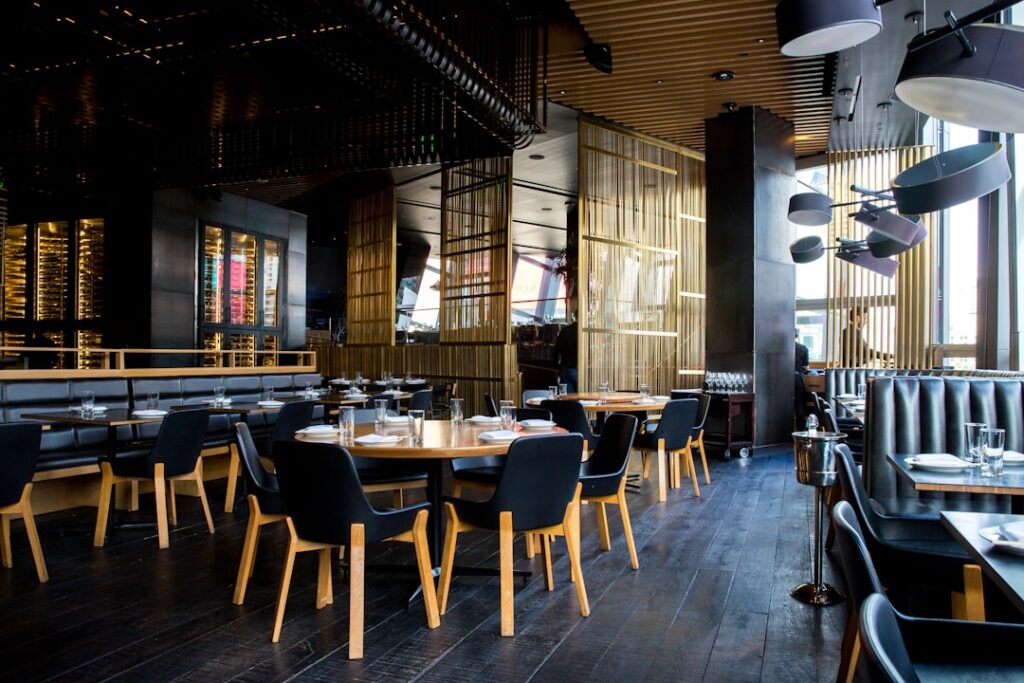
photo of pub set in room during daytime
Food

Making Dinner Reservations in SF

Landing in San Francisco with plans for a special dinner can quickly become stressful if you don’t secure a reservation. The city offers countless dining spots, but popular places fill up fast, especially on weekends or during events. It’s a mistake to assume reservations are only for upscale restaurants. Casual spots, including busy brunch cafés, often require a booking if you want to avoid long waits. I’ve seen people waste an hour waiting for a table at a trendy weekend brunch spot, all because they skipped the reservation step. Checking a restaurant’s busy times and making a call or booking online can save you that hassle. People often treat reservations as strict contracts, but that’s rarely the case. Most restaurants understand plans change and have flexible policies allowing cancellations or changes without fees, usually up to 24 or 48 hours ahead. If you have a sudden change, it’s better to call than just skip showing up. I’ve learned to jot down the cancellation deadlines when I book, so I don’t lose track. This small habit can prevent misunderstandings and sometimes help snag a better time slot if you need to adjust. San Francisco’s dining scene is diverse. Some places offer tasting menus that showcase local ingredients paired with wines or non-alcoholic drinks crafted to complement the dishes. These menus are often seasonal and highlight producers from the Bay Area. Knowing this can guide your reservation choices if you want an experience rather than just a meal. Restaurants offering these menus sometimes have limited seating per night and require advance bookings well before your visit. Technology has changed how reservations work. Many restaurants now operate through online platforms where you can see available times, select your table size, and sometimes even preorder dishes. These tools make planning straightforward and reduce phone tag. I recommend confirming your booking with a quick follow-up call or email, especially for larger groups, to avoid any glitches. For more on modern reservation options, check out dinner reservations sf. Timing is everything in San Francisco dining. Popular spots fill quickly around holidays and city events like sports games or festivals. It pays to plan weeks ahead if you have a specific restaurant or date in mind. Some places reward early bookings with perks like priority seating or special menu items. I always set calendar reminders to book my favorite restaurants early when I know I’ll be in town. Clear communication with the restaurant can make a big difference. Mentioning dietary restrictions, allergies, or special occasions allows chefs to prepare accordingly and staff to accommodate your needs better. I once called ahead to specify a gluten-free diet and was impressed when my server knew exactly which dishes were safe without me having to ask repeatedly. This kind of preparation avoids awkward moments and shows respect for both your needs and the kitchen’s work. Understanding these practical points about dinner reservations can turn what feels like a chore into part of the enjoyment. It helps avoid no-shows, long waits, and confusion at busy venues. Think of making reservations as setting the stage for your evening, not just ticking a box. For options that highlight local flavors and creative menus, visit seasonal dining experiences in san francisco. These kinds of spots often reward planning ahead with memorable meals.

Scroll to Top