
August 19, 2026

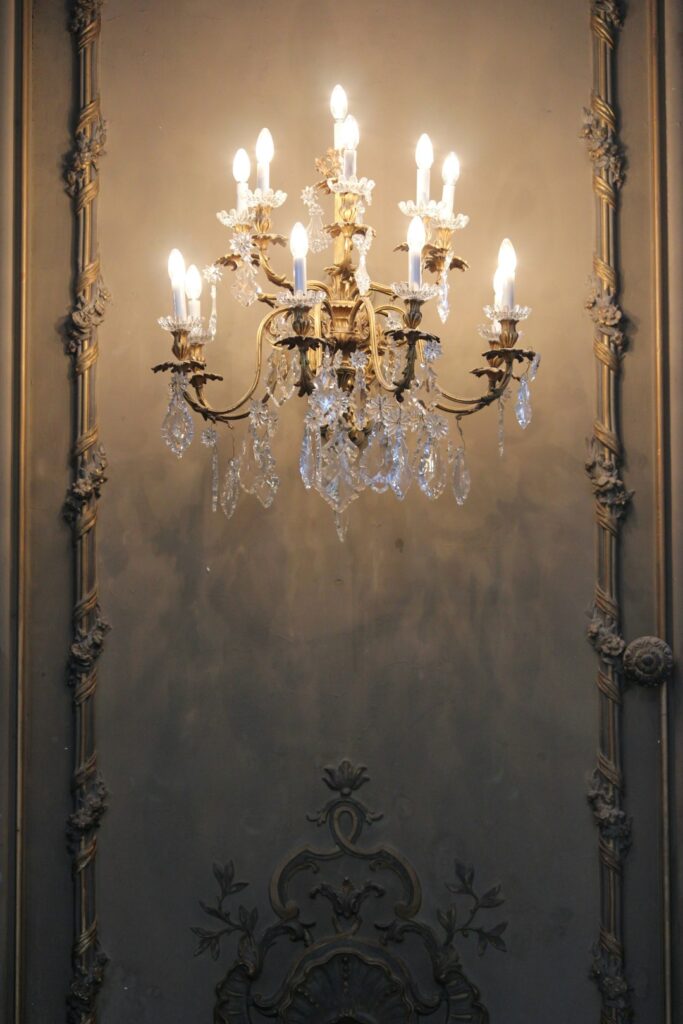
gold and white uplight chandelier
IT

Elegant Custom Glass Chandeliers for Beauty

Step into a dining room bathed in warm light from a custom stained glass chandelier. Such a fixture isn’t just about illumination; it commands attention and reshapes the room’s character. Custom glass chandeliers can turn an ordinary space into something memorable, which explains their appeal in homes and businesses alike. When choosing one, it’s important to consider how the piece fits your room’s size and style. Oversized chandeliers work well in large entryways or ballrooms, while smaller ones suit more personal spaces like studies or bedrooms. Matching the chandelier’s scale to your furniture and ceiling height prevents awkward proportions and ensures harmony. The art of crafting blown glass chandeliers is no simple task. Skilled artisans often use methods passed down through generations, such as traditional Murano glass techniques. These practices involve heating and shaping molten glass by hand, resulting in vibrant colors and textures that machines can’t replicate. Each component is shaped individually and assembled with care, so slight variations are natural and add to the fixture’s charm. When commissioning a custom piece, ask about the glass types and finishes available, these will affect both appearance and light diffusion. For businesses, a custom chandelier can be a subtle branding tool. A restaurant might select a design that enhances its theme, perhaps warm amber hues for a cozy feel or bold reds for energy. Hotels and boutiques often use these fixtures to create inviting atmospheres that guests remember long after their visit. Beyond aesthetics, consider the lighting quality: some stained glass allows a soft glow, while others cast striking patterns and shadows. Understanding these effects helps you pick a chandelier that supports your space’s function without overpowering it. Lighting professionals often recommend checking the wiring and mounting hardware of custom chandeliers before installation. Because these pieces can be heavy or fragile, improper support risks damage. It’s common for installers to reinforce ceiling anchors or use specialized hooks designed for glass fixtures. Also, verify that the electrical setup matches local codes. A good practice is to have an electrician inspect the site beforehand to avoid surprises during installation. Maintenance impacts how long your chandelier stays stunning. Dust settles quickly on glass surfaces, dulling their shine. Regular cleaning with non-abrasive cloths keeps colors vibrant and details sharp. Avoid harsh chemicals; mild soap and water usually suffice. Some owners develop a habit of checking their fixtures every few months during routine cleaning, this helps catch loose parts or minor cracks early, preventing costly repairs later. Remember that even durable blown glass requires gentle handling. Selecting the right glass type influences both look and function. Some glasses are more translucent, gently diffusing light throughout the room. Others are thicker or textured, creating dramatic shadow plays on walls and ceilings. For example, rippled glass adds movement to lighting effects while opalescent glass offers muted tones that soften bright bulbs. Discuss these options with your supplier to align your choice with your lighting goals and room ambiance. If you’re ready to explore options for your own project, consider browsing custom blown glass chandeliers. This selection showcases various styles suited to different tastes and settings, allowing you to find a piece that fits your vision precisely. When planning your purchase, also visit handcrafted lighting collections for additional ideas. Browsing broader collections can spark inspiration or help you coordinate lighting across multiple rooms, ensuring consistency in design and quality.
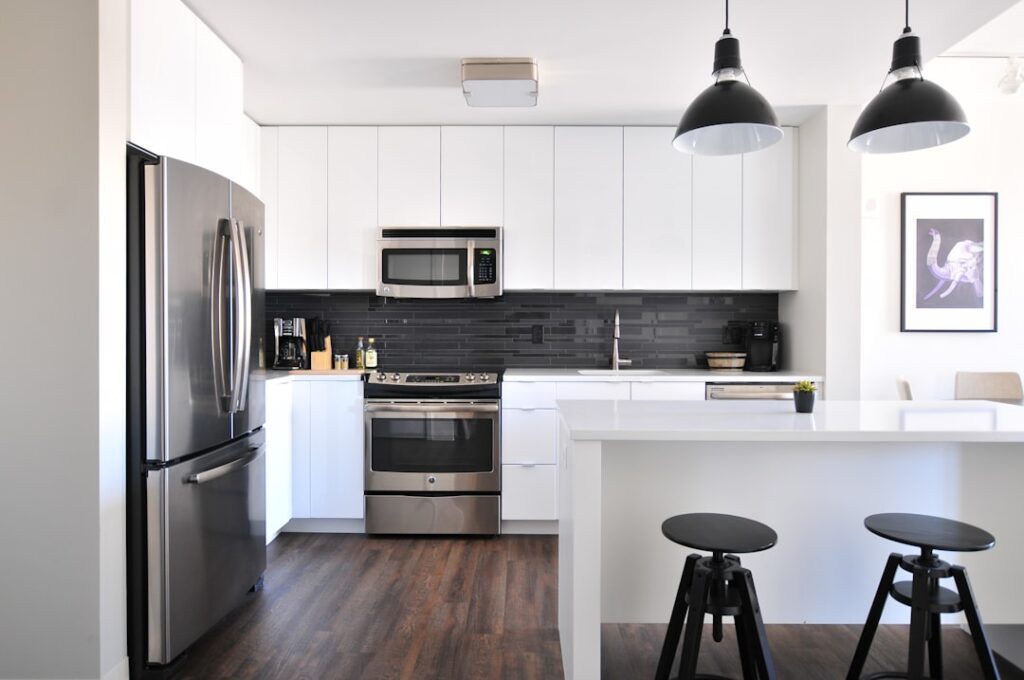
gray steel 3-door refrigerator near modular kitchen
Home Improvement

How Cabinet Refacing Can Revamp Your Kitchen

Picture stepping into your kitchen and seeing cabinets that no longer look tired or outdated but instead have a fresh, updated appearance. Cabinet refacing offers a straightforward way to achieve this without tearing everything out. Instead of replacing entire cabinets, the process involves swapping out doors, drawer fronts, hinges, and hardware while keeping the original cabinet boxes intact. This saves time and money compared to a full remodel and lets you customize your kitchen’s look to suit your taste. Choosing new doors and drawer fronts is one of the most noticeable changes in cabinet refacing. You can pick from a range of materials and finishes, whether that’s a warm wood grain to enhance a traditional feel or smooth, glossy panels for a modern edge. The available options make it possible to match the cabinets to whatever style you want. It’s worth noting that many homeowners overlook the importance of matching the door style to their kitchen’s lighting and color scheme, which can significantly affect the final outcome. Upgrading your hardware goes hand in hand with new doors. Handles, knobs, and hinges might seem like minor details, but they influence both how your cabinets function and how they look. Soft-close hinges are popular because they stop doors from slamming shut, reducing noise and wear. Choosing hardware in finishes like brushed nickel or matte black can complement your door choice and tie the whole look together. A common misstep is picking hardware that’s too large or small for the door style, so measuring beforehand is key. Cabinet refacing usually starts with removing the old surfaces and applying new veneers or laminates over the existing frames. This approach works well if your cabinet boxes are still solid and free of damage. It’s less disruptive than a full teardown; many projects wrap up within a week. However, if the cabinet structure shows signs of warping or water damage, refacing might not last. In those cases, replacing the cabinets is often a better investment. Not every kitchen will benefit from refacing. If your cabinetry is in rough shape or if you want to change the layout, replacement makes more sense. But if your cabinets are functional and you just want a fresh look, refacing is an effective way to save money while upgrading your space. Before deciding, inspect your cabinets carefully for stability and check for issues like loose joints or soft spots. These problems can cause trouble after refacing if not fixed first. The process begins with a consultation where a professional evaluates your current cabinets and discusses your style preferences. Protecting floors and counters is standard practice since sanding or cutting can create dust. After prepping the surface, they apply primer and then finish coats to ensure durability. Installing new hardware happens last, followed by a final check to confirm everything operates smoothly. One practical tip: keep a checklist during installation to avoid missing small steps like adjusting door alignment. Consider two typical scenarios: A family with active kids might want laminate surfaces that resist scratches and clean easily since spills are inevitable. Alternatively, someone planning to sell soon might choose neutral colors that appeal broadly without investing heavily in custom designs. Both approaches show how refacing can be tailored to different needs without major construction. If you want to explore options for revamping your kitchen, browsing local before-and-after projects can give you ideas and realistic expectations. For example, reviewing kitchen refinishing projects in Hamilton shows what’s achievable without a full remodel. When questions arise or you’re ready to discuss specifics, getting a free quote and consultation from someone familiar with the area’s homes can help clarify what prep work is needed, how they protect your space during installation, and what finishing touches will bring the best results. For more information on upgrading kitchen cabinetry efficiently, visit kitchen cabinet updates guide. Understanding these details helps set realistic expectations and ensures the final results hold up over time.

Scroll to Top