
August 10, 2026

person holding eyeglasses
Health Care

How Can NDIS Optometry Help You?

Finding suitable eye care for a non-verbal child can be a real challenge, especially in Brisbane where families often struggle to locate services adapted to unique needs. Eye exams under the National Disability Insurance Scheme (NDIS) are more than standard check-ups. They focus on understanding how vision affects daily life and identifying the best ways to assist. Many parents get overwhelmed by choices and jargon. A clear explanation from an experienced optometrist can ease that stress and make a big difference in managing a child’s vision care. Specialised vision assessments under NDIS are designed with additional needs in mind. Unlike typical eye tests, these consider communication differences and sensory processing issues. For example, an optometrist might use picture cards or digital tools to engage a child on the autism spectrum, adjusting their approach to each individual’s comfort level. This personalised method helps reveal vision issues that standard tests might miss, ensuring accurate diagnosis and tailored support. Low vision assessments form another key part of NDIS services in Brisbane. These exams assess usable sight rather than just acuity, focusing on practical vision for everyday tasks. This could mean recommending magnification aids, high-contrast materials, or lighting adjustments at home. Professionals trained in low vision work closely with clients to develop simple strategies that make reading, cooking, or mobility easier. Often, they also help families understand how to maintain safety and independence through these modifications. Some people benefit from specialized devices like the bioptic telescope. This small spectacle-mounted tool allows users with limited sight to switch between normal vision and magnified views quickly, useful for spotting distant objects like road signs or classroom boards. Learning to use a bioptic telescope involves practice and guidance from an optometrist familiar with its fitting and training. Not everyone is a candidate for this device, so a thorough assessment ensures it fits the person’s lifestyle and vision goals. Cerebral Visual Impairment (CVI) is a condition where the brain struggles to interpret visual signals even if the eyes are healthy. Standard eye exams often miss CVI because the issue lies beyond the eyes themselves. A CVI assessment observes how a child reacts visually in different environments, checking factors such as attention span, light sensitivity, and visual preferences. This helps professionals develop targeted therapies that improve visual processing over time, often involving caregivers in daily exercises that strengthen these skills. Many families aren’t aware that NDIS funding can cover these detailed eye exams and assistive devices. Understanding eligibility and application procedures can be confusing without guidance. It’s common for parents to assume they have to pay out of pocket or that only basic services are available. Connecting with a knowledgeable provider early on can help clarify what supports are accessible and how to access them without financial strain. The practical side of arranging NDIS optometry includes checking referral requirements, preparing any existing medical reports, and scheduling appointments during quieter clinic hours when possible to reduce sensory overload for sensitive individuals. Clinicians often suggest bringing familiar items or comfort objects to help children stay calm during exams. Follow-up visits are usually planned carefully to track progress and update prescriptions or support tools as needed. For families seeking tailored assistance in Brisbane, exploring NDIS Optometry brisbane offers clear pathways to specialised care. Additional information about vision services suited for various needs can be found at . These resources provide practical advice on what to expect and how to prepare for appointments, helping families make informed choices about eye health under the NDIS. vision support for disability

a row of machines that are next to each other
IT

Recycling Textiles: A Fiber-to-Fiber Journey

Every year, businesses accumulate textile waste from unsold stock, production scraps, or damaged items. Managing this surplus isn’t just about clearing space; it’s about tackling environmental concerns linked to landfill overflow and resource depletion. Fiber-to-fiber recycling offers a practical method to convert old textiles directly into new fibers, which can then be turned back into fabric. This approach reduces waste volume and cuts down the need for raw materials like cotton or synthetic fibers. The process starts with careful sorting. Many companies struggle with unsellable inventory due to fluctuating fashion trends or overproduction, leading to storage clutter. Partnering with textile recyclers helps divert these materials from landfills. Sorting separates cotton from synthetics and removes non-textile elements such as buttons, zippers, and labels. This step prevents contamination and ensures better fiber quality downstream. Understanding fabric composition is key. Natural fibers such as cotton and wool typically recycle more efficiently than synthetic fibers like polyester or nylon. Blended fabrics present challenges; they require specialized processing to separate fibers or are sometimes downcycled into lower-grade products. For example, a retailer focusing on organic cotton garments will find it easier to establish a closed-loop recycling system than one dealing mostly in mixed-material clothing. Once sorted, textiles are shredded into small pieces before being turned into pulp. Mechanical processes break down the fabrics while removing impurities. The pulp can then be spun into new yarns for weaving or knitting. This multi-step approach demands precision to maintain fiber strength and length. Recycling plants often run quality control tests on the pulp and yarn to avoid weak spots that could cause defects in new garments. The quality of input textiles matters greatly. Higher-grade fabrics like premium denim or well-maintained wool garments yield stronger fibers suitable for reuse in similar products. Lower-grade or heavily worn clothes might produce fibers that only suit insulation or industrial materials. Businesses should regularly audit their textile waste streams and communicate closely with recyclers to optimize material choices and reduce contamination, which can slow the process or degrade output quality. In practice, small details make a difference. For instance, removing care labels before sending textiles for recycling prevents chemical residues from interfering with fiber processing. Staff training on separating synthetic blends at the source can reduce sorting errors that lead to costly rework later. Documentation of batch contents helps recyclers adjust machinery settings for different fabric types, improving efficiency and minimizing fiber damage. Our new recycling facility includes technology designed specifically for fiber recovery. Investments in energy-efficient shredders and pulping machines reduce environmental impact while increasing processing speed. These upgrades allow us to handle larger volumes without compromising fiber integrity. Ongoing maintenance schedules and calibration checks keep equipment performing optimally, preventing downtime and ensuring consistent output quality. Committing to fiber-to-fiber recycling benefits businesses beyond waste reduction. It opens opportunities to market sustainable products that appeal to environmentally conscious consumers. While setting up these systems requires upfront resources and operational changes, the payoff includes lower raw material costs and a strengthened brand reputation. Long-term gains come from integrating recycled fibers into production cycles, fostering a circular economy within the textile industry. For companies ready to take this step, working with responsible textile recyclers provides a clear path forward. They offer practical guidance on sorting protocols, material selection, and process optimization. As the industry evolves, staying adaptable and informed will help businesses thrive while reducing their environmental footprint.

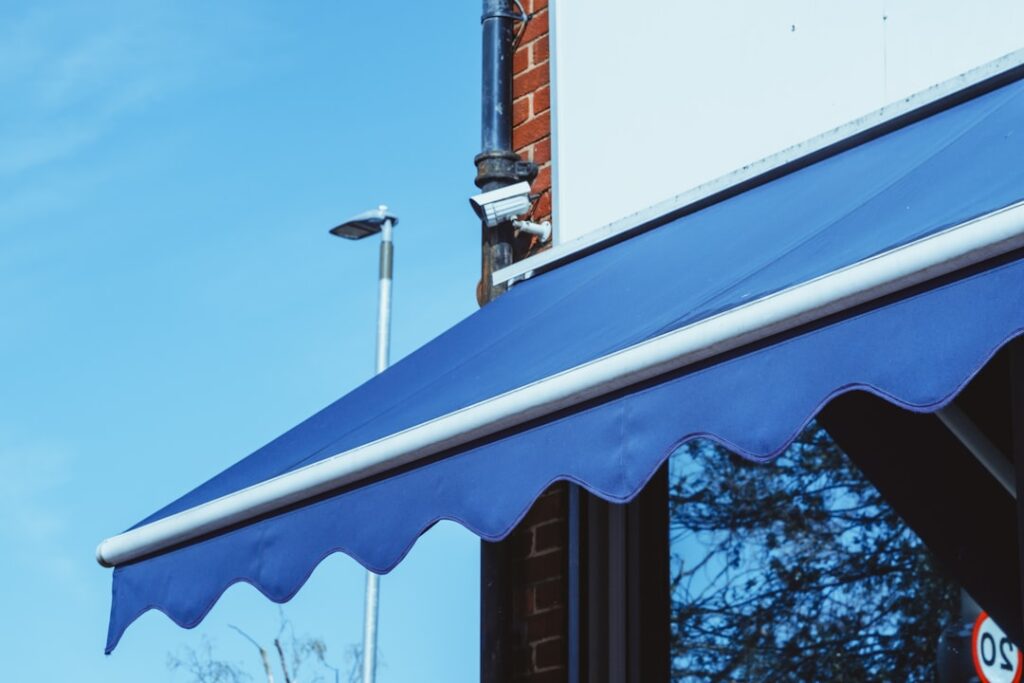
blue and brown wooden roof
IT

Practical Insights on Bathurst Blinds and Awnings

Picture a bright afternoon in Bathurst with sunlight pouring into your living room. It sounds nice until the glare becomes too much and your furniture starts to fade. Balancing natural light with privacy is a challenge for many homeowners. Blinds and awnings can solve this by controlling light, protecting interiors, and adding to the home’s look. However, picking the right type means understanding how each functions in your space. Roller blinds offer a clean look but often fall short on controlling harsh light if not properly measured. Venetian blinds give more control over light direction but tend to collect dust, requiring regular cleaning to keep them looking good. Knowing your room’s orientation and usage helps avoid common mistakes like choosing blinds that let in too much sun or block too much light. Awnings add value by shading outdoor areas and shielding windows from UV rays that damage flooring and fabrics. The angle and material of the awning matter, too shallow, and rainwater can pool on top, causing damage; too steep, and it may not provide enough shade. Aluminium frames are durable but need periodic checks for rust spots, while fabric awnings should be cleaned to prevent mildew buildup. Many homeowners try to install blinds or awnings themselves but overlook precise measurements, leading to ill-fitting products that leave gaps or don’t align with window frames. This misalignment not only looks untidy but also reduces effectiveness. Having a professional measure and install saves headaches later, especially with irregular window sizes common in older Bathurst homes. When searching for bathurst blinds and awnings, look beyond sales pitches. Customer reviews and photo galleries of past installations offer a clearer picture of how products perform in real homes. Seeing how a specific style complements different architectural designs can guide your choice and avoid surprises after installation. Energy efficiency is often overlooked but worth considering. Well-insulated blinds help keep rooms warm in winter and cool in summer, cutting down heating and air conditioning costs. Double-layered roller blinds or cellular shades trap air effectively, adding a layer of insulation without bulk. Regular upkeep extends the life of window treatments. For example, wiping aluminium blinds with a damp cloth prevents dust buildup, while fabric blinds benefit from gentle vacuuming or spot cleaning according to manufacturer instructions. Ignoring minor repairs like loose cords or bent slats can lead to bigger problems and costly replacements. Before committing, tap into free consultations offered by some providers. These sessions often reveal options tailored to your home’s layout and budget that you might not have considered. Reading blog posts about innovative uses for can also spark ideas for combining style with function in ways that suit your lifestyle. custom window coverings

Scroll to Top