
July 21, 2026

person holding amber glass bottle
Health Care

Gentle Remedial Massage in Erina

Waking up with a stiff neck after a long day can throw off your entire routine. Shoulder tightness and nagging aches make even normal movements uncomfortable. Remedial massage targets these problem areas directly, easing muscle tension and encouraging healing. Skilled therapists focus on the muscles that cause pain, using pressure and movement designed to break up knots and reduce inflammation. Sessions often include a mix of techniques tailored to your specific discomfort, rather than a one-size-fits-all approach. People who work long hours sitting at a desk often deal with tight upper backs and shoulders. This tension comes from poor posture and repetitive strain. A practitioner trained in remedial massage will apply deep tissue work to loosen these muscles and increase blood flow. They may also focus on trigger points that refer pain to other areas, helping you feel relief beyond just the site of soreness. It’s not just about feeling better temporarily; it’s about addressing the root causes that contribute to chronic tightness. Relaxation isn’t merely a side effect of massage; it’s an important part of the process. Stress accumulates in the body and can keep muscles locked tight long after work hours end. Techniques like effleurage, which involves smooth, gliding strokes, and petrissage, which kneads the muscles, help stimulate lymphatic drainage and improve circulation. These methods encourage the nervous system to shift into a calmer state. Clients often report feeling more balanced and less fatigued after a session. For many, finding time to visit a clinic can be tough. That’s where in-home remedial massage becomes valuable. Therapists bring portable tables and all necessary supplies, turning your living space into a quiet treatment room. This option removes the stress of travel and waiting rooms, making it easier to fit massage into busy schedules. It also creates an environment where you feel comfortable enough to fully relax. Selecting the right therapist requires some thought. Experience with different massage techniques is important, but so is communication. A good practitioner listens carefully to your concerns and adjusts their approach accordingly. They’ll often start with an assessment, checking for posture imbalances or areas of restricted movement before beginning treatment. Providers offering both clinic and home visits allow you to choose what fits your lifestyle best. The remedial massage erina services available ensure each session is crafted around your unique needs. Beyond hands-on treatment, effective therapists teach self-care strategies to support recovery. Stretching exercises targeted at problem areas help maintain flexibility between appointments. Ergonomic advice, like proper desk setup or lifting techniques, reduces strain during daily activities. Practitioners might also suggest simple habits such as regular breaks from sitting or mindful breathing exercises to manage stress. These practical tools empower clients to take control of their well-being. Access to reliable information can complement your treatment journey. Reading about muscle anatomy or simple stress management tactics gives you a better grasp of why certain massage techniques work. It also helps set realistic expectations about recovery timelines and ongoing care needs. For more material on maintaining physical health, check out body maintenance tips for everyday life. Understanding what your body demands supports smarter decisions about self-care. Reaching out for help might feel like a big step, especially if pain has been lingering for a while. But booking that first appointment connects you to relief and improved function. If you’re dealing with constant discomfort or just need to unwind after demanding days, qualified practitioners are ready to assist. Taking action now can prevent minor issues from becoming persistent problems, helping you regain control over your physical and mental state.

assorted bottle on table
Drinks

Designing Your Coffee Shop Bar Space

The first thing customers see when they enter a coffee shop is usually the bar area. This spot isn’t just where orders are taken; it defines the vibe and sets the tone for the entire space. Many new owners overlook how much the bar impacts both customer experience and staff efficiency. A smart layout can speed up service and make customers feel more connected to their drinks. For example, an open bar where patrons watch their coffee being made builds trust and adds transparency. This simple choice often turns casual visitors into regulars. Functionality and style need to balance when designing your bar. Materials shape the atmosphere more than you might expect. Warm wood combined with metal details creates a cozy, inviting space, while polished surfaces and clean lines attract a younger crowd. I’ve seen shops targeting students mix reclaimed wood with steel accents to hit that trendy note. Also, make sure there’s enough counter space for at least two baristas to work without bumping into each other during rush hours. Without that, long lines form fast, and impatient customers disappear. Equipment placement can make or break your workflow. Espresso machines should be easy to reach, with grinders, blenders, and syrups all within arm’s length to avoid unnecessary stretching or bending. Staff often complain when they have to cross paths or hunt for supplies behind the counter. One practical step is marking zones on a layout plan before installation. That way, you avoid costly rearrangements after opening. Ergonomics aren’t just about comfort, they keep service moving smoothly. Lighting often gets pushed aside, but it shapes how your bar feels throughout the day. Natural sunlight is fantastic but limited by your shop’s orientation. Install adjustable artificial lights to keep the mood right from morning till night. Pendant lamps over the bar provide focused brightness for drink prep while adding character. Dimmable options help shift the atmosphere, bright and efficient during busy mornings, softer and relaxed when people linger in the evening. Storage is one of those behind-the-scenes details that separate well-run shops from chaotic ones. Without designated cabinets and shelves, clutter takes over quickly. Plan storage for cups, lids, napkins, and cleaning supplies so everything stays within easy reach but hidden from customers’ view. A common mistake is piling items on counters or under machines, which slows down staff and creates a messy look. Keep a simple inventory checklist nearby; it helps prevent running out of essentials mid-shift. Encouraging interaction between staff and customers can set your coffee shop apart. Seating near the bar invites patrons to watch their drinks being crafted and chat with baristas. This connection builds loyalty and makes the space feel lively rather than transactional. I’ve seen small bars add stools along the counter which instantly change the vibe from rushed to welcoming. It’s a subtle design choice that encourages community without demanding extra square footage. If you’re unsure how to start your design, getting advice from experienced coffee professionals can save headaches later on. They can point out common pitfalls like cramped layouts or poor equipment choices before you commit money and time. Consider enrolling in a course that covers operational basics alongside design principles. coffee shop bar design is just one part of running a successful coffee business, but it’s a foundational one. Design isn’t something that stops once you open your doors. Your bar will need tweaks based on customer habits and industry trends. Regularly reassessing the layout ensures it stays practical and appealing as your operation grows. Small adjustments, like adding an extra shelf or changing light bulbs, can improve your workflow significantly over time. Keeping these points in mind during planning gives you a solid base to build on.practical coffee shop advice

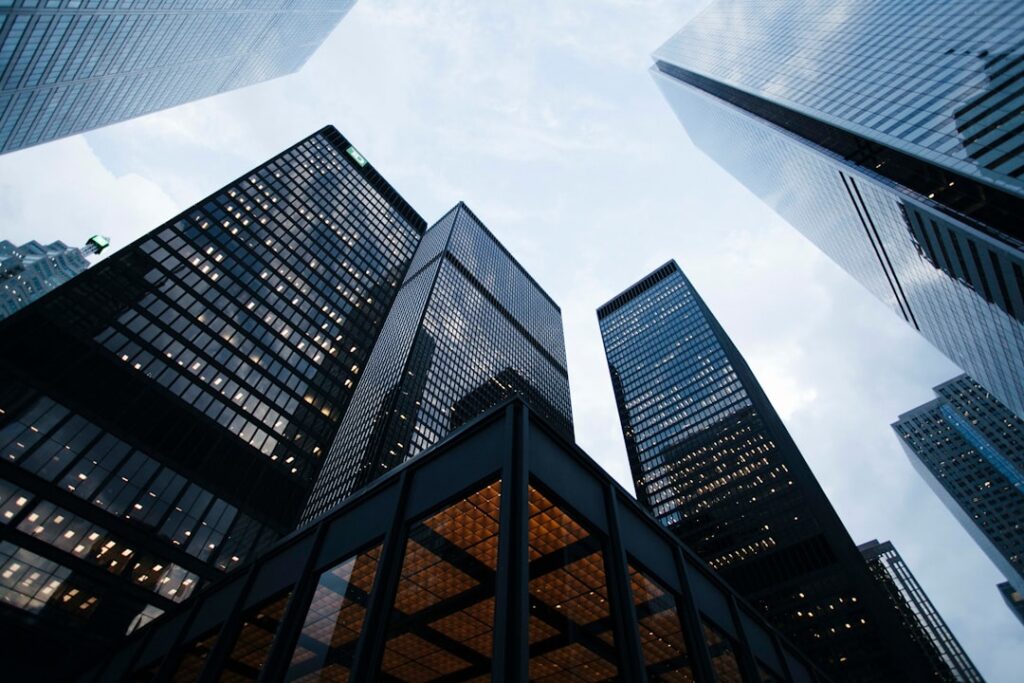
low angle photo of city high rise buildings during daytime
Events

How to Choose a Financial District Event Space

Planning a corporate event in a busy financial district means balancing convenience, style, and functionality. Your venue needs to handle the number of attendees comfortably while matching the professional tone of your company. Financial district event spaces often deliver on these fronts, offering easy access to public transit, up-to-date facilities, and an environment that promotes focus and interaction. Knowing what features matter most will help you avoid last-minute headaches and ensure your event runs smoothly. Accessibility is a top priority. Attendees commonly come from different parts of the city, so proximity to major subway stations or bus lines can significantly boost punctuality and turnout. Check if the venue has direct exits near transit stops or clear signage guiding guests. Parking availability is just as important for those driving in; secure spots or partnerships with nearby garages can prevent frustrating delays. Sometimes, venues provide valet services during peak hours, worth asking about. The space layout should suit the event’s purpose. For networking sessions, open floor plans with flexible seating encourage mingling and conversations. Workshops or presentations need adaptable room setups, including breakout areas where smaller groups can meet without noise interference. Some venues allow rearranging furniture or offer modular walls to create separate zones, which helps keep the event organized and dynamic. Always confirm these options before booking to avoid surprises on the day. Catering is often overlooked until the last minute but deserves early attention. Financial district venues typically work with catering partners who offer varied menus, from simple coffee breaks to multi-course meals. Confirm whether they accommodate dietary restrictions like vegetarian, vegan, gluten-free, or allergies. Planning this ahead prevents awkward moments during mealtime and shows respect for attendees’ needs. A common mistake is assuming all guests have the same preferences; asking for dietary info during registration can save a lot of trouble. Technology is non-negotiable for most events today. Reliable Wi-Fi, quality projectors, microphones, and speakers are basic requirements. Verify that the venue has tested equipment and on-site technical staff ready to assist throughout the event. Last-minute tech failures are common without proper support and can derail presentations or workshops quickly. If you plan to stream or record sessions, check the internet speed and available camera setups well before the event date. Some venues go beyond basic functionality by offering a distinctive atmosphere. Imagine hosting your after-hours mixer in a space styled like a speakeasy, complete with vinyl DJs and craft cocktails. This kind of setting encourages informal networking and makes your event stand out in memory. Vintage decor or themed rooms can add personality but make sure it aligns with your brand image. An overly casual vibe might clash with a formal corporate meeting, so consider the message you want the venue to send. Visiting potential venues in person helps more than virtual tours alone. Seeing the lighting at different times of day, testing acoustics, and chatting with staff reveals details you won’t find online. Staff attitudes often reflect how smoothly your event will run; friendly, attentive teams can make all the difference. Some spaces host open houses for planners, taking advantage of these lets you experience the venue’s flow firsthand and clarify any restrictions or extra fees. Before finalizing your choice, contact venues directly about availability and pricing. Many places are open to negotiating packages that fit your budget without cutting corners on essentials. Clear communication helps avoid misinterpretations about what’s included, like whether tables, chairs, or AV equipment carry extra charges. Keeping a checklist of your must-haves and deal breakers during calls prevents overlooking important details. Finding the right financial district event space takes effort but pays off with a successful event that impresses attendees and meets goals. Don’t rush decisions; instead, gather information from multiple venues, compare offerings carefully, and trust your instincts about what environment feels right for your audience. If you want more options to consider, check out for a fresh perspective on available spaces. unique downtown venues

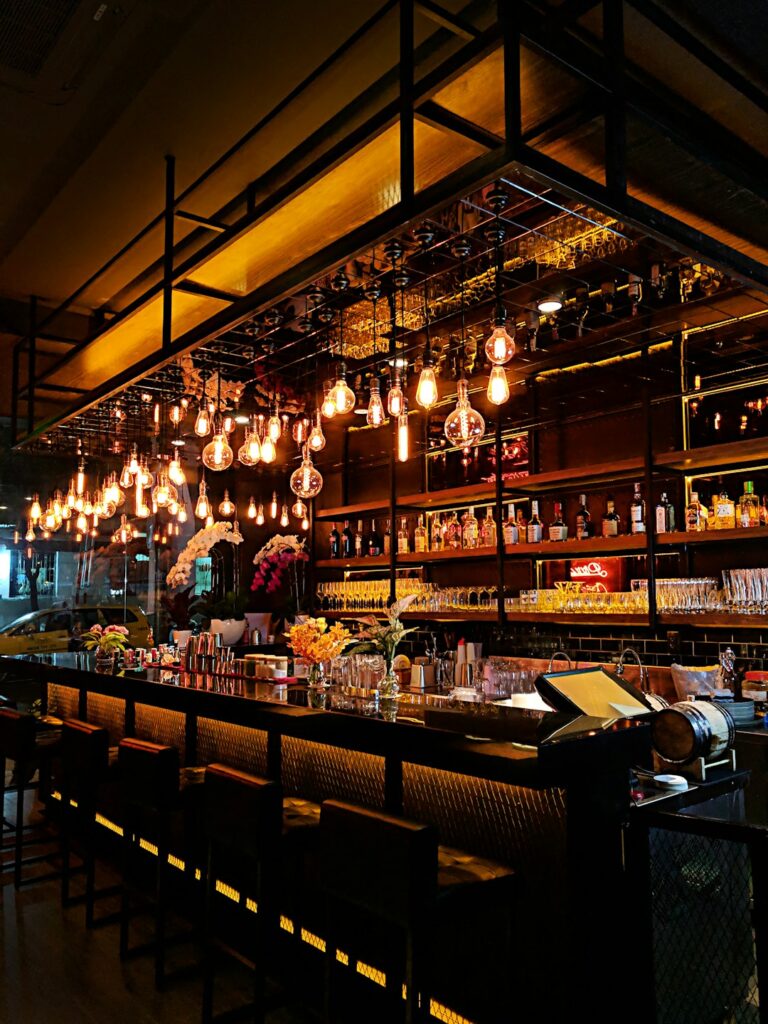
turned-on filament bulb lights at bar counter
Drinks

Exciting Happy Hour Experience for Everyone

After a taxing week, many look forward to decompressing with friends over drinks and snacks. In New York City, the happy hour scene is bustling, especially in spots like the Financial District. Imagine walking into a bar alive with chatter and laughter. It’s a place where you can find drinks that quench your thirst and bites that spark your appetite. Lucky Tiger NYC offers something different with their ‘Lucky Hour.’ This happy hour features an array of cocktails, mocktails, and wines paired with Asian-inspired dishes. Picture sipping a perfectly mixed cocktail while enjoying tender dumplings or crunchy spring rolls. These pairings can turn an ordinary night into a memorable experience and might introduce you to new favorite flavors. Location matters when choosing a happy hour spot. Lucky Tiger NYC sits in FiDi, making it easy for office workers or visitors nearby to drop in. After work, it’s convenient to stop by without straying far from your routine. The atmosphere encourages both casual hangouts and more formal gatherings, so you can pick the vibe that fits your group. Timing is important. Lucky Hour typically runs in the early evening, so you can swing by right after clocking out. Checking the exact hours before heading over avoids disappointment since some happy hours end earlier than expected. Also, the Toraya Bar inside Lucky Tiger NYC opens during specific times, serving its own selection of drinks and snacks that differ from the main menu. Don’t overlook the kitchen’s late-night hours. While many bars close their kitchens early, Lucky Tiger keeps food service going late into the night. This means you can keep the conversation flowing without worrying about missing out on food. It’s practical for those who like to linger or arrive a bit late without going hungry. If you’re thinking about hosting an event, reaching out to Lucky Tiger for group bookings is straightforward. The staff can help arrange space tailored to your needs, whether it’s a birthday party or a work gathering. Booking ahead is smart since spaces fill up fast. You can get details on their happy hour nyc page. Keeping up with special events or seasonal deals is easier by following Lucky Tiger on social media or checking their website regularly. They often post about exclusive promotions and themed nights that add a twist to your visit. If you want to explore more of what they offer beyond happy hour, check out their asian fusion dining options online.

Scroll to Top