

July 17, 2026

red and black metal tower during sunset
IT

How Does Long Foundation Drilling Work?

When a new building is planned, one of the biggest challenges is preparing the ground beneath it. Soils that are loose, soft, or unstable demand more than just shallow digging. That’s where long foundation drilling comes in. It’s a method that drills deep into the earth to create firm foundations capable of holding heavy structures steady over time. This technique helps prevent problems like settling or shifting that can damage buildings years after construction. At Dakota Drilling, we specialise in auger drilling and foundation services tailored to Perth and regional Western Australia. Each site presents unique issues; coastal areas often have high water tables and sandy soils, while urban sites may deal with compacted fill or variable layers of clay. We adjust our drilling methods based on these local conditions to reduce risk and improve foundation stability. Early soil testing and thorough site assessments are standard practice for us before any drilling begins. Our drilling process often involves steel liners or casings inserted into the borehole as we go deeper. This prevents the hole from collapsing and keeps surrounding soil intact. After reaching the target depth, concrete liners might be poured to add long-term strength to the foundation. These steps are critical because uneven pressure underground can cause boreholes to fail if not properly supported. We also document each stage carefully, maintaining detailed logs that contractors and engineers can reference during construction. Beyond foundations for buildings, we provide services for installing poles used in fencing and utility support. Drilled holes must be precise and stable, especially in places with high traffic or heavy winds. Our ragbolt cage assembly offers an effective way to anchor poles securely in tricky terrain. We’ve seen projects delayed because poles weren’t set firmly enough, so we always double-check alignment and embedment depth on site to avoid rework. Drilling through solid rock is another challenge we handle regularly. Encountering bedrock isn’t unusual, and it requires specialised drill bits and heavier machinery to break through efficiently. Using the right equipment reduces wear and tear and speeds up completion times. We also monitor vibration levels during rock drilling to protect nearby structures from damage, a detail often overlooked but vital in tight urban areas. Water management is a frequent concern during deep drilling. High groundwater can flood boreholes or cause soil instability around the site. Our dewatering methods remove excess water to keep work areas dry and safe. Pumps run continuously in some cases, and we install temporary drainage systems when needed. Proper water control not only protects workers but also ensures concrete sets correctly without weakening the foundation. Long foundation drilling is a critical piece of construction that often goes unnoticed once the building is up. Yet, it’s what keeps structures standing firm under heavy loads and shifting environmental forces. If you’re planning a project that demands solid groundwork, it pays to involve drilling specialists early. Our team is ready to assess your site conditions and recommend the best approach based on real-world experience and local knowledge. For more detailed information about long foundation drilling, visit our dedicated page where we explain our techniques further. To explore all the services we offer and how they might fit your next project, check out . foundation drilling in western australia
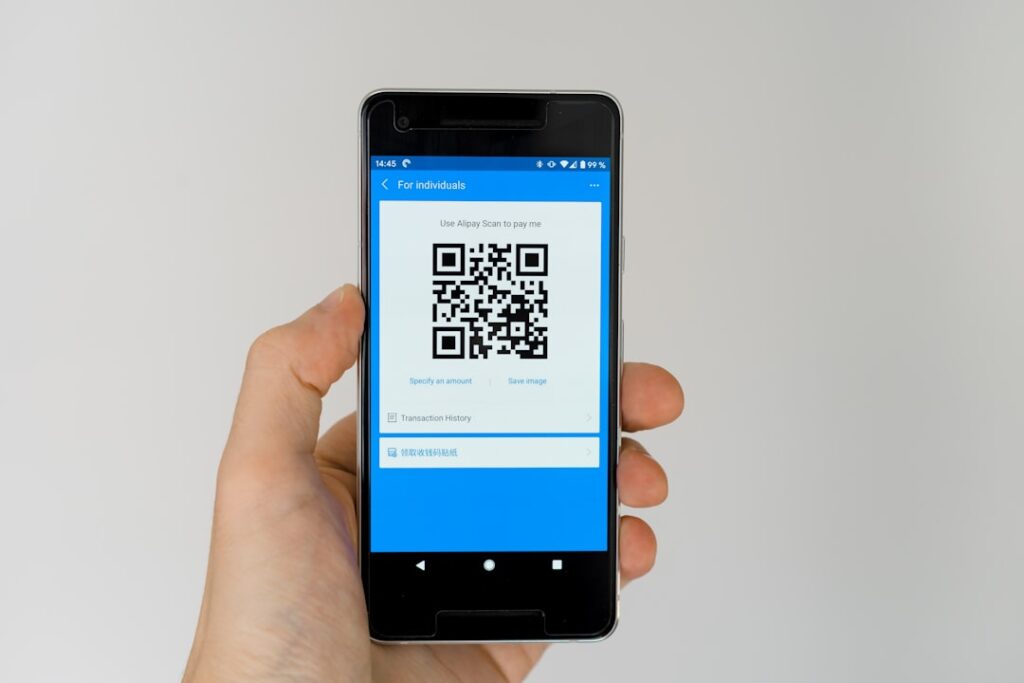

black android smartphone displaying qr code
Apps

How Can a Barcode Generator Improve Efficiency?

Picture a busy retail checkout where the scanner repeatedly fails to read an item’s barcode. Customers grow impatient as the line inches forward. Often, this results from old scanners that can’t handle newer barcode formats or worn labels. Upgrading to reliable scanners that support multiple barcode types keeps lines moving and customers satisfied. Staff also avoid the frustration of manual price entry or locating alternative barcodes. A small grocery store recently faced frequent scanning errors during rush hours. They switched to scanners with imaging technology that capture detailed barcode images instead of relying on laser reads alone. This change cut misreads drastically and sped up checkout times. Employees no longer needed to reposition items or wipe dirty labels, which saved minutes per transaction, critical when dozens of customers wait. Inventory is another area where barcode tools make a difference. Warehouses using basic handheld scanners sometimes experience connection drops to their central database. This leads to stock counts that don’t match reality, causing overstock or shortages. Moving to wireless scanners with real-time syncing ensures inventory updates as soon as an item is scanned. Staff can trust the data when planning restocks or fulfilling orders. Different barcode types present unique challenges. UPC and EAN codes are common for retail items, but QR codes store much more information, like URLs or batch details. Businesses benefit from using a barcode generator that produces custom codes fitting their specific needs. For example, a manufacturer might embed production date and location in QR codes to track batches through the supply chain. Integrating barcode scanning with existing software reduces manual entry errors and speeds up processes. One café owner linked their point-of-sale system with a new scanner, cutting order times and improving sales tracking accuracy. Before, staff typed item codes manually, often getting orders wrong or losing time correcting mistakes. Now, data flows automatically, freeing employees to focus on customer service. When choosing scanners, consider factors like reading speed, compatibility with diverse barcode formats, and connectivity options (USB, Bluetooth, Wi-Fi). Some devices offer rugged designs for harsh environments, which extend lifespan and reduce maintenance. Testing equipment under actual working conditions helps spot issues early, like difficulty reading damaged labels or weak wireless signals. Practical habits also improve scanning reliability. Regularly cleaning scanner lenses and keeping barcode labels free from dirt or creases prevents errors. Training staff to hold items steady and align codes properly reduces rescans. Keeping software updated ensures compatibility with emerging barcode standards. These small steps avoid delays and reduce rework during busy periods. Using modern barcode technology cuts down on errors and speeds up tasks across sales and inventory management. Companies adopting these tools typically see smoother operations and happier customers who don’t have to wait unnecessarily. They also gain clearer stock visibility, preventing costly mistakes from inaccurate data. Such improvements come from both good hardware choices and disciplined daily practices.barcode scanning advice for retailers

parked vehicles
Home

Rental Management in Australia Simplified

Owning a short-term rental property in Australia can quickly become a full-time job if you try to manage everything yourself. You might have a great apartment in a sought-after spot, but without the right approach, it could sit empty for weeks. Many property owners underestimate how much effort it takes to keep bookings steady and guests happy. Rental management companies take on that workload, handling the day-to-day tasks that often overwhelm owners. One key area where management makes a difference is listing optimisation. High-quality photos taken in natural light, descriptions that focus on unique features, and prices adjusted weekly according to demand all help attract bookings. For example, owners often set their rates too high during low season or too low during peak times because they lack access to real-time market data. Professionals use specific tools to track competitor prices and local events, adjusting nightly rates dynamically to maximise occupancy without sacrificing profit. Guest communication is another challenge that can easily drain an owner’s time. Many get bogged down answering repetitive questions about check-in times or amenities. A dedicated team will respond promptly to inquiries, manage booking confirmations and cancellations, and provide clear instructions before arrival. This cuts down on missed messages and miscommunications, which are common sources of negative reviews. A smooth communication process encourages guests to leave positive feedback about their stay. Effective rental management also means understanding local laws and regulations. Owners sometimes overlook requirements like registering their property with local councils or ensuring compliance with fire safety standards. Experienced managers keep up with these rules to avoid fines or disruptions. They also handle cleaning schedules, routine maintenance, and emergency repairs, so the property stays in good condition without the owner needing to coordinate every detail. Stephen Hall and James Johnston bring years of hands-on experience to our team. They understand the realities of managing Australian holiday rentals because they’ve dealt with everything from last-minute bookings to guest disputes. Their approach includes regular property inspections and detailed turnover checklists that catch issues early, preventing complaints. They also maintain clear records for tax purposes, such as invoices for expenses and income reports, helping owners stay organised come tax time. Guest reviews remain one of the most powerful factors influencing future bookings. Properties managed well tend to receive praise for cleanliness, responsiveness, and accurate listings. It’s common for guests to mention small touches like stocked kitchen basics or easy parking instructions, details that often get overlooked by owners juggling multiple tasks. Having a team focused on these elements raises guest satisfaction and builds a strong reputation over time. If you want to improve your rental results or reduce your workload, consider discussing options with our principal agent. You can schedule a call to explore tailored strategies that fit your property and goals in rental management australia. Whether it’s setting up automated messaging or refining your pricing model, practical adjustments can lead to better returns. Understanding how holiday rentals work in Australia means paying attention to both market trends and the everyday details that affect guest experiences. With the right support, owners avoid common pitfalls like last-minute cancellations or overlooked maintenance tasks. Check out more information on short-term rental advice in australia to see how a focused approach can make managing your property less stressful and more profitable.

Scroll to Top