
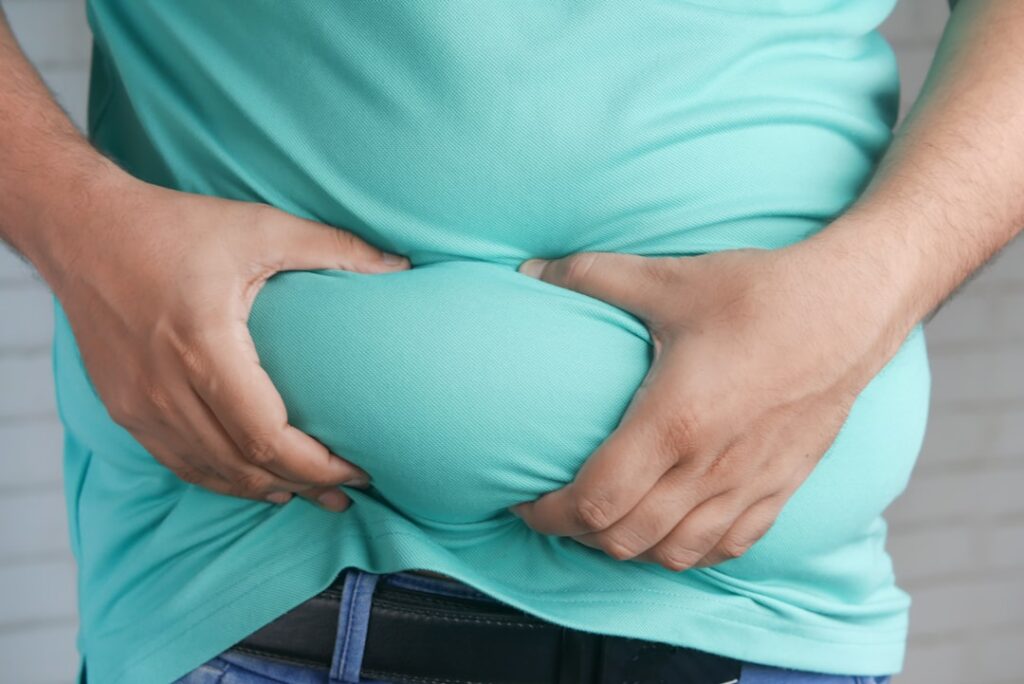
Identify Lower Abdominal Bloating
Sitting down to enjoy a meal only to feel uncomfortable and swollen in your lower abdomen is frustrating and all too common. That heavy, bloated feeling can come with visible distension and a nagging sense of unease. Pinpointing what causes this helps you manage it better. Food intolerances are a frequent culprit. When your body struggles to digest certain items, gas and inflammation often follow. Lactose intolerance is widespread, causing discomfort after dairy. Gluten sensitivity can trigger similar symptoms for some. Keeping a detailed food diary or trying elimination diets can help reveal these triggers. Hormonal changes also affect digestion, especially in women. Many notice bloating around their menstrual cycle due to shifts in hormones that influence fluid retention and how quickly the gut moves. Conditions such as polycystic ovary syndrome (PCOS) tend to worsen these symptoms, making bloating more persistent. Knowing this connection can guide conversations with your doctor or nutritionist. Gut bacteria balance is another factor. A healthy mix of microbes aids digestion, but when harmful bacteria grow too much, they ferment undigested food, producing excess gas. Probiotics can help restore balance by boosting beneficial bacteria levels. Adding fermented foods like yogurt, kimchi, or sauerkraut to meals is a practical step many overlook. Stress impacts gut health more than most realize. When the body enters fight-or-flight mode, digestion slows or stalls, causing bloating after eating. Techniques like meditation, deep breathing, or yoga can ease stress and improve gut function over time. If bloating sticks around despite changing diet and lifestyle, consulting a nutritionist focused on gut health can be worthwhile. They often suggest tailored strategies based on your history and symptoms rather than one-size-fits-all advice. For deeper insight into causes, visit lower abdominal bloating causes. Misunderstandings about symptoms are common; some confuse bloating with weight gain or indigestion, so clear communication with healthcare providers matters. Keeping track of when and what you eat, how you feel afterward, and any other symptoms like bowel changes helps create a fuller picture for diagnosis. Also, be aware that over-the-counter remedies don’t always address the root problem and can sometimes mask symptoms, delaying proper care. Beyond diet and stress, physical activity affects bloating too. Regular movement helps keep the digestive system active and reduces fluid buildup in the abdomen. Even short walks after meals can make a difference. Considering all these factors together rather than in isolation increases your chances of relief. For guidance on managing these issues effectively, check out . Remember, persistent bloating deserves attention rather than ignoring it or assuming it’s normal. gut health support advice