
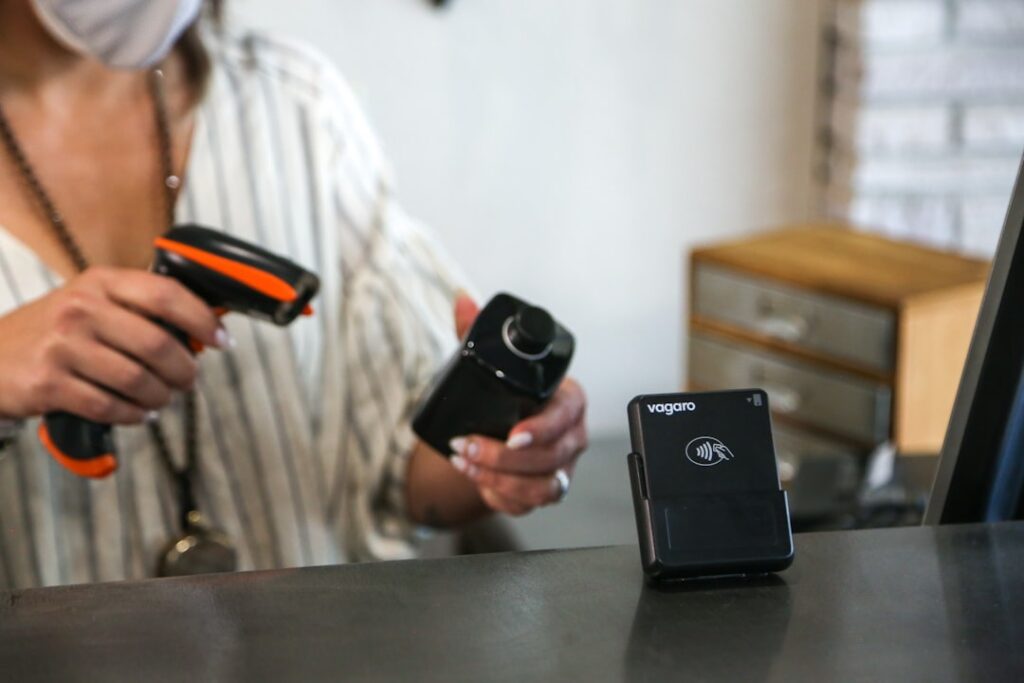
Barcode Scanners Improve Work Efficiency
In busy hospital emergency rooms, every second matters. Nurses and doctors depend on quick access to accurate information to make the right decisions. Wireless barcode scanners help by letting staff verify medications instantly and keep track of supplies without sifting through paperwork or typing entries by hand. This reduces mistakes and frees medical personnel from administrative clutter, allowing them to focus more on patient care. Staff often double-check wristbands against medication labels, a small habit that avoids costly errors. Factories also gain a lot from barcode readers. When materials arrive, workers scan incoming shipments to update inventory automatically. This cuts down on delays caused by manual stocktaking and keeps production running smoothly. For example, line supervisors might use handheld scanners to confirm parts before assembly starts, preventing costly halts. It’s not unusual for warehouses to keep a printed checklist near loading docks, but scanning barcodes speeds up verification and reduces miscounts. Retail stores improve the shopping experience through barcode technology as well. Self-service kiosks with barcode readers let customers scan items or check prices without waiting for a cashier. This speeds up checkout and reduces lines, which shoppers appreciate. Employees often remind customers to scan items carefully to avoid errors at payment. Retail staff also perform daily scans of shelf tags to ensure prices match the system, a simple check that prevents confusion at the register. Reducing the time needed to handle products is important in many businesses. Wireless barcode scanners remove the hassle of cables, giving workers more freedom to scan items from different angles or distances. This flexibility is useful in large warehouses or stores where employees manage inventory over wide areas. In practice, this means workers can scan pallets stacked high or shelves tucked in corners without moving heavy goods unnecessarily. NUMA offers devices tailored to specific sectors. The DT-90F Single Tube Reader fits healthcare settings, designed for quick patient data access and medication tracking. Meanwhile, the DT-80 Self-Service POS Kiosk Barcode Scanner suits retail environments, built for customer use with easy interfaces and dependable scans. Each model suits real-world conditions like lighting variations or label wear and tear. Logistics and delivery services are adopting mobile screen and paper 1D/2D readers more frequently. These scanners handle barcodes on printed labels and digital displays such as phones or tablets, covering diverse scanning needs in the field. Couriers often scan packages directly from customer smartphones, avoiding paper slips that can be lost or damaged. Investing in reliable barcode scanner technology helps cut down on human errors and speeds up routine tasks. Companies that integrate these tools into daily workflows report smoother operations and better tracking accuracy. A practical habit is keeping spare batteries charged and ready for wireless devices, preventing downtime during busy shifts. If you want to improve your operational efficiency, consider checking out barcode scanning devices for business use. These tools fit various needs across healthcare, manufacturing, retail, and logistics, helping teams work faster and with fewer mistakes.