
April 11, 2026

man on running field
IT

Address Burnout in Young Athletes

Picture a young athlete who once loved their sport but now hesitates to step onto the field. This shift is common as pressure builds from constant training, competitions, and high expectations from adults. The initial excitement fades, replaced by exhaustion and stress. Signs like losing interest, irritability, or slipping performance should prompt immediate attention. If ignored, burnout can sideline a promising athlete for good. Burnout often comes from focusing too much on winning instead of growth. Parents sometimes push kids hard, equating trophies with success, which creates fear of failure rather than fun. Coaches can also unintentionally add pressure by emphasizing results over development. Instead, training should balance skill-building and enjoyment. For example, incorporating playful drills or celebrating small improvements helps maintain motivation. Internal pressures matter just as much. Young athletes often set goals that are out of reach, driven by wanting approval or hitting milestones. When reality doesn’t match these ambitions, disappointment can be crushing. Take a child who practices daily but doesn’t make the team; without support, they might quit sports altogether. Coaches and parents should encourage setting realistic targets that reward effort and progress, not just wins. Mental health support is a practical tool for these challenges. Sports psychologists teach coping techniques like mindfulness to help athletes manage stress and stay focused during key moments. Open talks about mental well-being reduce stigma and encourage kids to speak up when overwhelmed. Programs designed specifically for youth can reshape how young athletes handle setbacks and pressure. Parents play a vital role by checking in regularly about their child’s sports life. Honest conversations where kids feel safe sharing frustrations go a long way. For instance, if a player feels worn out by intense practice schedules, acknowledging those feelings and adjusting commitments can prevent burnout. This approach also teaches young athletes communication skills they’ll use beyond sports. Enjoying sports matters more than just competing. Kids who play for fun tend to stick with physical activity longer and avoid burnout. When sports feel like a chore driven by others’ demands, passion fades fast. Shifting the focus to enjoyment builds resilience and helps athletes thrive in all areas of life. Preventing burnout requires teamwork among parents, coaches, and athletes. Prioritizing mental well-being alongside physical training can keep kids engaged and healthy for the long haul. Simple steps like scheduling regular rest days and encouraging participation in multiple sports reduce monotony and overuse injuries. For more information on spotting and addressing fatigue in young players, visit burnout in young athletes. It offers practical advice on recognizing warning signs and effective responses. Supporting young athletes means balancing challenge with care. By focusing on both growth and happiness, we help them build a lifelong love of sport without sacrificing mental health. Resources like youth sports mental health provide guidance on maintaining this balance.


Person working at desk with laptop and phone.
Education

Minnesota College Fair Events

College fairs can be a game plan for any student thinking about higher education. Imagine a high schooler stepping into a room filled with representatives from dozens of colleges, each booth offering a chance to ask real questions about academics, campus life, and financial aid. These fairs in Minnesota bring that scene to life, giving students direct access to people who know the details beyond websites and brochures. A practical tip is to jot down specific questions beforehand , it helps avoid wandering aimlessly and missing key info. There’s a false notion that these events are just for seniors. That’s off the mark. Sophomores can use fairs to get a sense of what different colleges offer. Juniors can start building relationships with admissions officers, which might open doors down the line. For example, a junior attending a virtual fair might hear about scholarships or majors not widely advertised. That early awareness can lead to a stronger application later, especially if they follow up with contacts made during the event. The format of college fairs has shifted a lot recently. Virtual fairs have become common, making it possible to attend without leaving home or school. This removes travel barriers and lets students explore schools outside their immediate region. Registration is usually free and straightforward online. Being able to log in from anywhere means students can fit these events into busy schedules, even squeezing in multiple fairs in one week if they want. Contrary to what some believe, college fairs aren’t just about collecting stacks of pamphlets. The real value lies in the conversations. Students can chat with admissions counselors or current students, who offer firsthand experiences about campus culture, study abroad options, and support services. One student I spoke to learned about a niche internship program directly from a peer at a fair , something she wouldn’t have found on the college website. Workshops at these fairs add another layer of help. Sessions on writing personal statements or understanding financial aid forms like FAFSA give attendees a clear idea of next steps. These workshops cut through confusion and leave students feeling more confident about applications. In the lead-up to the 2026 2027 fair season, expect more schools to offer these practical sessions as demand grows. Networking isn’t just business jargon here; it’s a real opportunity. Making connections with college reps can lead to mentorship or even internships later on. For example, students often exchange contact details with reps from their top-choice schools, opening communication channels that provide guidance on essays or interviews. It’s worth keeping a dedicated folder for these contacts and notes , it prevents losing track when application season heats up. Colleges use these fairs to reach diverse applicants too. They want students from different backgrounds and regions to enrich campus life. Attending lets schools show their commitment to inclusivity and support for underrepresented groups, which can be important for students who want to find a welcoming environment. If you’re weighing your options for college, check out the minnesota college fair. It’s an opportunity to connect directly with schools and uncover possibilities you might not find browsing alone. Taking part in these events can be one of the most straightforward ways to gather information and make informed decisions. For additional resources on planning your college journey and upcoming events, visit college admissions resources. These tools complement the fairs and help keep your application process organized and on track.

three pieces of blue luggage sitting next to each other
IT

Convenient Luggage Storage for Travelers

You arrive in Bali, bags in tow, but your accommodation check-in isn’t until hours later. What do you do with your luggage? Carrying it around while you wait isn’t ideal, and leaving it unattended is risky. This situation is common for travelers and can be a real hassle. Luckily, Bali offers several luggage storage options in popular spots like Canggu and Kuta, letting you drop off your bags easily. That way, you can explore without the extra weight holding you back. Storage options vary depending on what you need. Typical luggage storage fees range from Rp 60.000 to Rp 300.000 per day. For smaller items or valuables, lockers usually cost between Rp 70.000 and Rp 250.000 daily. Surfers will find surf racks around Rp 40.000 per day, so your board stays secure while you catch waves. It’s worth checking what each provider offers before deciding. Security matters when storing your belongings, especially in Bali’s humid climate. Many facilities are climate-controlled to protect items from moisture and heat damage. Some let you access your stored items 24/7, which can be handy if your plans change suddenly. Before dropping off your bags, clarify their security measures and whether they provide insurance or liability coverage. Booking a storage unit usually takes minutes online. Choose a location convenient to your itinerary, select the storage type you need, then reserve your spot ahead of time. Some services even pick up your luggage directly from where you’re staying, saving you the trip. Confirm pickup availability and any extra fees so you’re not caught off guard. If your trip is short, security boxes are an option. These can be rented on-site or via mobile apps, perfect for stashing passports, wallets, or electronics while you hit the beach or browse markets. These boxes often have keypad entry and are monitored, reducing the risk of theft. Always keep important documents separate and double-check what items the facility allows inside their lockers. A common mistake is underestimating how much space you’ll need or mixing fragile items with heavy gear when storing. Pack thoughtfully before arrival to avoid last-minute adjustments or extra charges. Some travelers find labeling their bags or leaving a contact card inside helps if anything gets misplaced. Staff at storage centers often assist with these small details and may offer local tips while you wait. Customer feedback frequently praises friendly staff who handle questions patiently and assist with special requests. Many mention feeling relieved after dropping off their luggage safely and enjoying Bali hands-free. Positive reviews also note that well-maintained facilities and clear instructions make the process straightforward. If you want reliable options in Bali, check out luggage storage services that match your needs and budget. A quick online search will reveal providers across different neighborhoods catering to tourists. Whether visiting briefly or staying longer, having a dependable place to store your bags changes how freely you move around the island. You get more time for sightseeing, dining, or relaxing without dragging your luggage along. Next time you plan a trip, remember there are practical choices available for safe baggage handling at affordable local rates.

black crew neck t-shirt
Business

Unraveling Class Tee Design Myths

Wearing a custom t-shirt at a local event can be a powerful way to represent your brand or message. Yet, many business owners get tangled in misconceptions about t-shirt printing methods. One frequent misunderstanding is that all printing techniques produce identical results. The reality is that the choice of method impacts color vibrancy, durability, and how well the design works on different fabrics. For example, complex artwork may not translate well with every approach. Silkscreen printing often gets touted as the only option for bulk orders. While it offers strong, vivid colors and lasts through many washes, it isn’t always cost-effective for smaller batches due to setup expenses. On the other hand, direct-to-garment (DTG) printing uses inkjet technology to apply designs directly to fabric. This method excels at capturing fine details and gradients with minimal setup, making it ideal for short runs or custom pieces. However, DTG tends to work best on cotton and may not be as durable on synthetic materials. Dye sublimation is sometimes misunderstood as only suitable for white polyester. Actually, it produces vibrant, long-lasting prints that become part of the fabric itself, preventing cracking or peeling. This technique is excellent for sportswear and promotional items that need to withstand repeated washing and wear. The heat transfer process infuses dye into synthetic fibers, so choosing the right fabric blend is key to achieving the best results. Embroidery carries a reputation for being old-fashioned, but it adds texture and professionalism to garments like polo shirts and uniforms. It’s important to note that embroidered designs require thoughtful planning; overly detailed logos might lose clarity when stitched. Fabrics also matter here, thicker materials handle embroidery better, while lightweight fabrics may pucker or stretch under the needle. Vinyl printing often gets dismissed as only suitable for basic text or shapes. Modern vinyl methods can handle multi-colored, layered designs with different finishes such as matte or glossy textures. Vinyl cuts hold up well over time and adhere securely to various fabrics, making them a solid choice for both casual wear and promotional apparel. Practical experience shows that vinyl works best on smooth surfaces; textured fabrics can cause adhesion issues. It’s common for businesses to underestimate how critical fabric selection is in achieving the desired print quality. Testing samples before committing to full runs helps avoid costly mistakes. Also, communication between the designer and printer plays a huge role in final outcomes, clarifying color expectations and file formats prevents delays and reprints. Knowing these realities allows business owners to make smarter decisions when ordering custom t-shirts. Engaging with providers who understand these nuances can turn ideas into products that resonate with customers. For those exploring options today, class tee design services provide detailed explanations of each printing method’s strengths. The right printing technique depends on your specific goals and garment use. Whether you need team uniforms, corporate giveaways, or personalized gifts, each approach has its trade-offs worth considering carefully. Trying out different methods on sample runs also helps identify what looks good and lasts long in real-world conditions. If you want to explore more about custom t-shirt options, check out printing methods for small businesses.

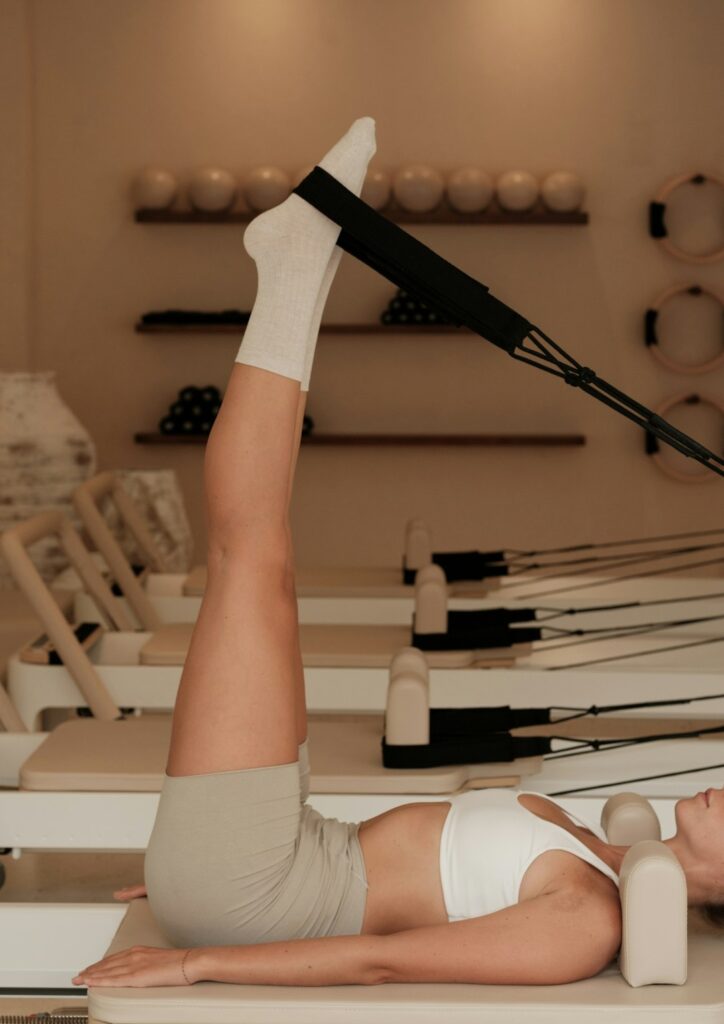
Woman does pilates exercise on a reformer machine.
Fitness

Clinical Pilates for Effective Rehabilitation

Waking up with a stubborn backache can throw your day, and week, off balance. Activities you once enjoyed, like weekend hikes or playing with your kids, suddenly feel out of reach. Clinical Pilates offers a focused way to rebuild strength and mobility tailored to your condition. It’s not just exercise; it’s rehabilitation designed around your body’s needs. Clinical Pilates targets core strength, posture correction, and body awareness through controlled movements. If you’re healing from an injury, expect gentle exercises that protect your recovery while gradually increasing muscle activation. Athletes or fitness enthusiasts might experience more challenging routines that push endurance and coordination. The adaptability of clinical Pilates means it fits all levels, from beginners to seasoned movers. Your journey begins with a thorough consultation. A qualified instructor will assess how you move, identify stiffness or weakness, and review any injuries or pain points. This one-on-one session is key to crafting a program that matches what you want to achieve, whether that’s regaining lost function or improving overall fitness. It’s common for people to underestimate how much this initial step affects their progress. Once assessed, you can pick a program that suits your schedule and commitment. The start-up package at $138 includes multiple sessions designed to build a strong base safely. If you prefer more flexibility, the pay-per-session option at $47 lets you attend classes when it fits your calendar. Many find that having a clear schedule helps maintain consistency, which is crucial for seeing results. Long-term packages offer discounted rates and steady support as you advance through your goals. Sticking with a program reduces the risk of setbacks and keeps your improvements on track. Regular feedback and adjustments from your instructor can prevent common errors, like overusing compensatory muscles or neglecting proper breathing, that slow recovery. The effectiveness of clinical Pilates has been observed in managing persistent pain and enhancing functional movement. People dealing with lower back discomfort often notice less pain after consistent practice. The focus on slow, deliberate movements combined with controlled breathing teaches better muscle engagement and alignment. This approach helps reduce strain and lowers the chance of reinjury, especially when combined with advice on daily posture and activity modification. If you want to try clinical Pilates yourself, consider local options like clinical pilates bonbeach. Classes led by experienced instructors provide personalized attention and create a community atmosphere, which many find motivating during recovery. It’s worth noting that clear communication during sessions prevents misunderstandings about exercise intensity or form adjustments. For further information on how clinical Pilates might fit into your health routine, visit rehabilitation and fitness options. Understanding the different services available can help you choose what aligns best with your needs and lifestyle. Many participants keep notes on their progress and questions to bring up in follow-up sessions, an easy habit that improves outcomes. Choosing clinical Pilates means investing time in a methodical, mindful approach to rebuilding strength and mobility. Whether recovering from injury or aiming to move better day-to-day, it offers practical tools and guidance that connect body awareness with functional improvement.

Scroll to Top