
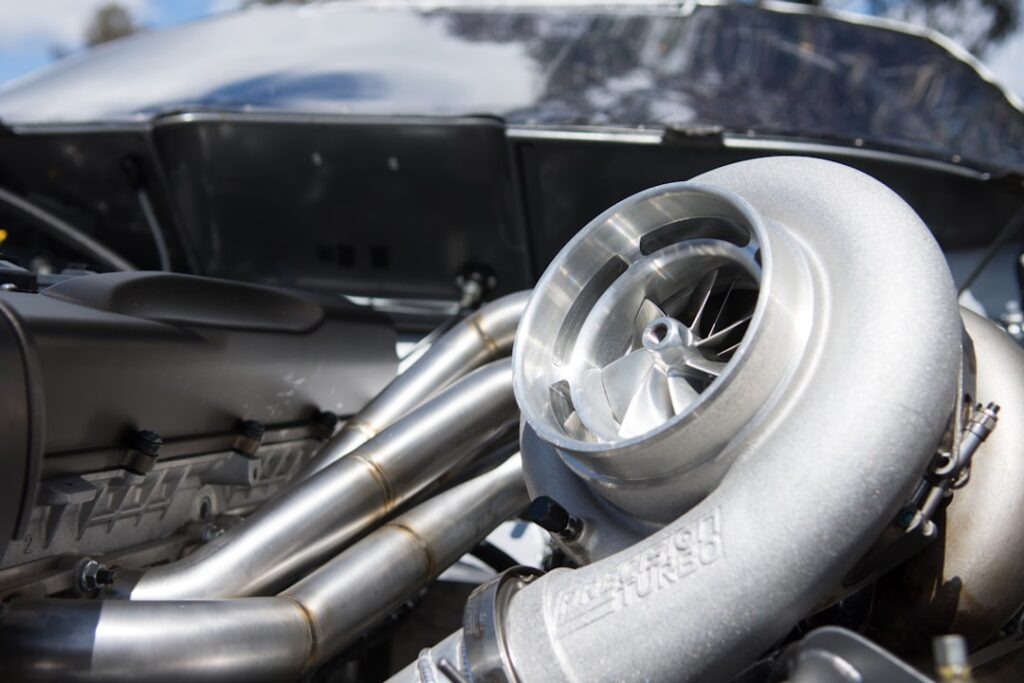
How HPT Turbos Enhance Performance
Car enthusiasts often talk about boosting power with turbochargers, but the reality behind upgrading to HPT turbos is more involved than just slapping one on. These turbos work by compressing more air into the engine than it would normally intake, allowing for more fuel to burn and thus increasing horsepower. Yet, it’s not as simple as choosing the biggest turbo available. Size, design, and the materials used all influence how well the turbo performs. For instance, a turbo that’s too large can cause lag, where the engine response feels sluggish because the turbo takes longer to spool up. Matching the turbo to your engine’s specifications is critical to avoid airflow inefficiencies that kill performance gains. Installing an HPT turbo isn’t a job for just any mechanic either. It requires adjustments to the engine’s components and systems to handle the increased pressure and heat. Overlooking these steps can lead to overheating or fast wear on parts like pistons and valves. Upgrading supporting hardware such as intercoolers, exhaust pipes, and fuel injectors often goes hand in hand with turbo installation to handle the added stress and maximize output. Without these, you risk bottlenecks that limit your car’s potential. Take a common scenario: someone installs an HPT turbo but doesn’t upgrade their fuel system. At first, the vehicle feels faster, but under hard acceleration, it stutters or loses power because the engine isn’t getting enough fuel. This mismatch can cause engine knock or damage over time. It’s a reminder that performance upgrades need a balanced approach, addressing air, fuel, and exhaust flow together rather than piecemeal. Tuning the engine’s computer after installing an HPT turbo is another step that often gets missed. The stock engine management won’t know how to handle the extra air and fuel without recalibration. A professional tune adjusts parameters like ignition timing and fuel maps to improve throttle response and protect against engine damage. Without proper tuning, you could face problems ranging from hesitation to catastrophic failures. Understanding how different turbochargers function helps when deciding which setup fits your goals and vehicle. Not every turbo suits every engine or driving style. Resources that explain various turbo models and their applications can be invaluable when planning upgrades. One helpful source is HPT Turbos, which offers detailed info on performance options. Practical experience shows that communication between the installer and owner matters a lot. Mechanics often ask for specifics like daily driving habits or track use before recommending parts. It’s common for enthusiasts to overlook simple maintenance checks post-installation, such as monitoring boost levels or checking for leaks in hoses and connections. These small steps prevent expensive fixes later. Also, familiarizing yourself with your vehicle’s service manual helps you understand manufacturer limits and specs, avoiding modifications that could void warranties or cause reliability issues. For those wanting to explore further upgrades, knowing where to find clear information is key. The website performance car turbo parts provides a range of products and guides tailored to enhancing forced induction systems. Such sources can guide you through compatible parts selection and installation advice. In short, HPT turbos can significantly improve your vehicle’s power if installed with care and combined with correct supporting mods and tuning. Skipping any part of the process risks poor results or damage. Engaging with detailed resources and professionals who understand these systems will help you achieve reliable performance improvements that last.