
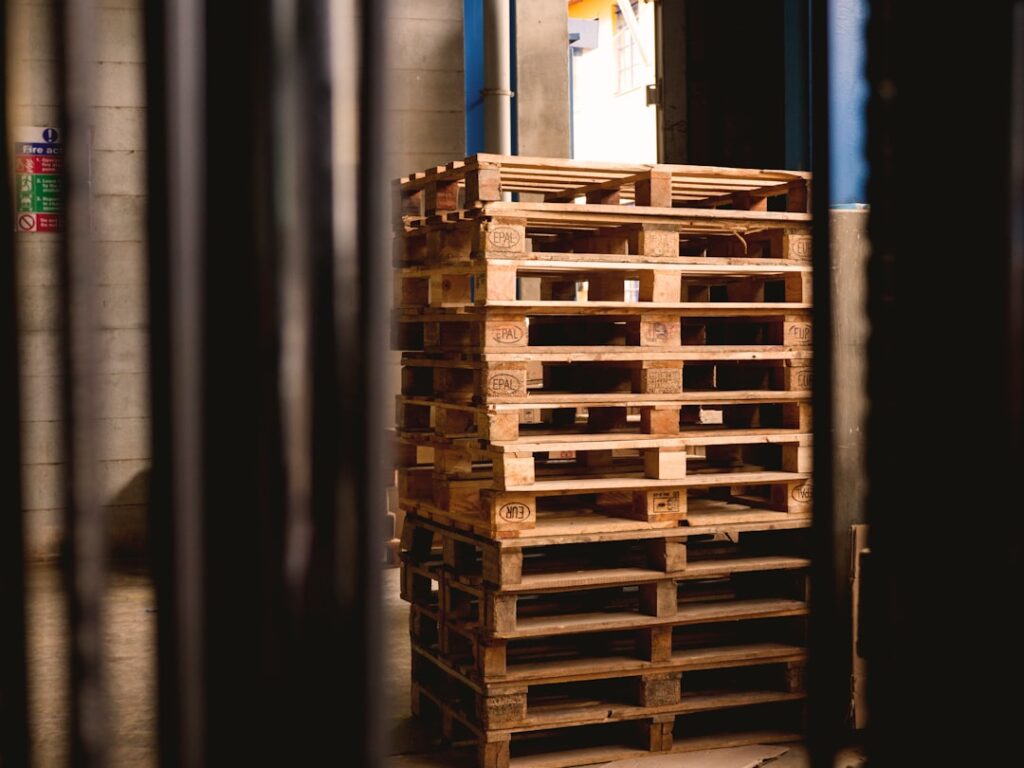
Wooden Pallet Solutions for Business
Transporting goods efficiently is a daily challenge for many businesses. Take a local manufacturer overwhelmed by excess inventory; they need sturdy pallets to store and move products safely. A solid wooden pallet can prevent delays caused by damaged items or awkward handling. It’s not just about strength, knowing the right pallet size and weight capacity can streamline warehouse workflows and reduce labor costs. Experienced operators often check for consistent board spacing and secure nail patterns before accepting a pallet shipment to avoid surprises on the dock. Standard pallets don’t fit every product. Custom wooden pallets are often necessary for oddly shaped or fragile items. Consider a bakery that ships delicate pastries; pallets tailored with softer wood or special cutouts can protect goods from crushing. Custom lumber cuts allow precise dimensions, supporting weight distribution without risking product damage. Communicating exact specifications to your pallet supplier prevents costly custom orders arriving late or unusable. Heat treatment (HT) of pallets is a vital process to meet international shipping standards. It eliminates pests and pathogens that might be hiding in the wood. Many countries have strict rules on wood packaging to avoid spreading invasive species. Using HT-certified pallets avoids shipment holds at customs and potential fines. Businesses expanding overseas should review pest control certificates and keep heat treatment logs handy for inspections. High-volume cut stock production benefits manufacturers serving large clients like retail chains. Producing standardized pallets in bulk reduces costs and ensures uniform quality across shipments. Bulk orders require planning: manufacturers must maintain inventory levels without sacrificing quality control. Regular audits of board thickness and moisture content help catch defects early, saving time and money in the long run. Stake and lath products add flexibility for industries like construction and landscaping. These wooden components serve as temporary supports, fencing, or garden edging. Reliable suppliers provide consistent sizing and material grade, which keeps projects on schedule. Delays from subpar stakes can stall worksites, so many contractors keep spare inventory on hand and verify supplier certifications before ordering. Proper lumber storage affects pallet lifespan and performance. Outdoor stacking exposes wood to moisture and insects, leading to warping or rot. Indoor climate-controlled storage slows degradation but increases handling costs. Businesses often rotate stock based on delivery schedules to use older pallets first, reducing waste. Pallets designed with moisture-resistant coatings and heavier load ratings perform better in varied environments. If you’re exploring options with wooden pallet manufacturers, check what customization they offer and their quality controls. Clear communication about your product dimensions, weight, and handling environment ensures you get pallets that fit your operation. Skilled pallet makers know how to adjust nail placement, board thickness, and wood species for different needs. Partnering with a dependable supplier changes how you manage logistics. When your manufacturer understands your business challenges and delivers tailored products on schedule, you spend less time troubleshooting damaged goods or processing returns. Keeping detailed records of pallet specs and supplier contacts helps resolve issues quickly. You can focus on growing your company rather than reordering materials. For more information on wooden pallets suited to your business, visit sustainable wood packaging options.