
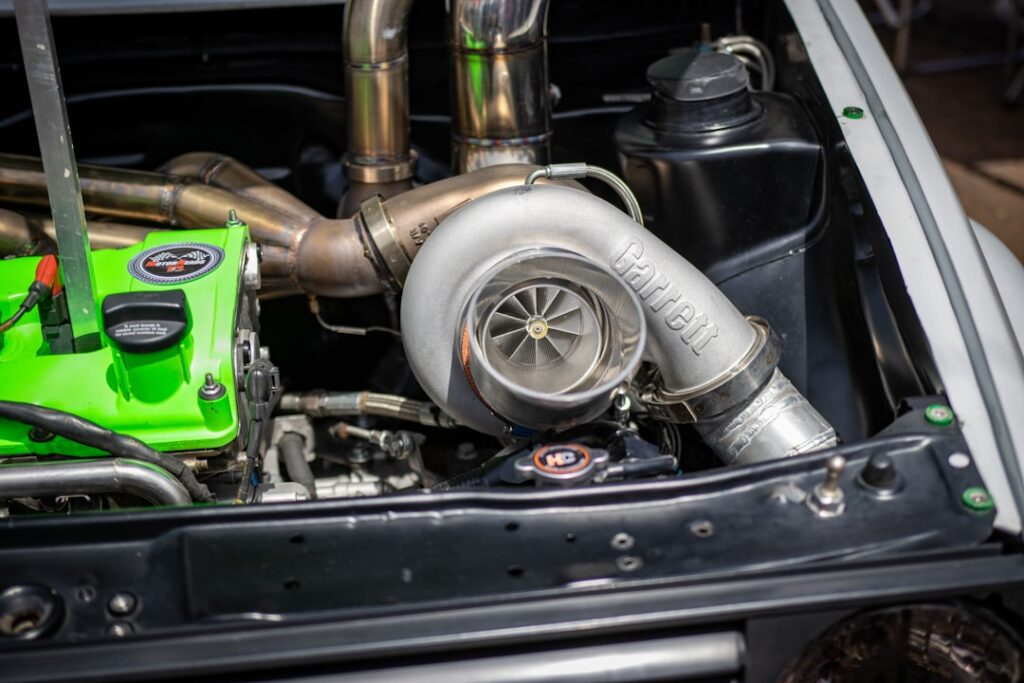
G Series II Turbochargers and Performance
If you run an automotive performance shop, your customers want power and reliability. The G Series II turbochargers have become a popular upgrade, but there’s plenty of confusion about what they actually deliver and how they stand apart from older models. Some assume all turbochargers offer the same boost, but that’s not the case here. The G Series II uses refined aerodynamic designs that improve airflow and cut down on lag. That means drivers see faster throttle response and smoother acceleration, especially when pushing the engine at higher RPMs. For example, a driver overtaking on a highway will notice the difference immediately; the turbo spools quicker and power delivery feels more linear compared to older turbos. Many think installing a G Series II means tearing down the entire engine. In reality, these turbos often fit existing setups with minor adjustments. A common mistake is advising customers they need a full engine rebuild. Most times, proper tuning and some supporting upgrades are all that’s required. This practical approach saves time and money, which customers appreciate. It’s also smart to check the vehicle’s ECU calibration beforehand, as tuning can make or break the installation’s success. Upgrading the turbo alone isn’t enough for peak performance. The G Series II works best alongside enhanced intercoolers and less restrictive exhaust systems. For instance, if a customer has an aftermarket exhaust but complains about engine heat, pairing it with this turbo can improve thermal management. Better airflow through the engine reduces heat soak and keeps power consistent under load. Many professionals recommend inspecting all components during installation because mismatched parts often cause headaches down the line. Fuel efficiency is another area where these turbos surprise users. There’s a widespread belief that more horsepower automatically means worse fuel economy. The G Series II challenges that notion by improving combustion efficiency, which can lead to better mileage depending on driving style. This makes it appealing for those who want extra power without sacrificing daily drivability. Real-world tests often show modest gains in fuel use during steady cruising when compared to stock setups. Understanding the materials involved helps explain why these turbos perform well. They incorporate high-grade alloys that are both durable and lightweight. Reduced rotational mass means the turbine spins up faster, shaving precious milliseconds off spool time. It’s common for technicians to note the difference during dyno tuning sessions; quicker spool translates directly into sharper throttle response on the road. Durability also matters because these turbos hold up under prolonged stress better than some older designs. A practical detail many overlook involves heat shielding and plumbing. The G Series II demands careful installation to prevent excessive heat from affecting nearby components. It’s routine to replace or upgrade heat shields during installation to avoid damage to wiring or hoses. Failure to do so can lead to premature failures and costly callbacks. Experienced installers always factor this into their workflow, reducing rework and warranty issues. In terms of customer communication, it helps to clarify what the G Series II can realistically deliver. Some expect instant, massive power jumps without any supporting mods or tuning, which leads to disappointment. Setting clear expectations upfront avoids miscommunication and builds trust. Sharing real testimonials or dyno results from similar vehicle setups often helps clients understand what’s achievable. For more information on what sets the G Series II apart, exploring detailed technical specs can be beneficial. The combination of refined aerodynamics, advanced materials, and thoughtful engineering clearly shows why this turbo remains a strong choice for performance upgrades. Those interested in exploring additional performance parts can visit performance car upgrades online. This resource covers a broad range of compatible components that work well with modern turbo systems.