
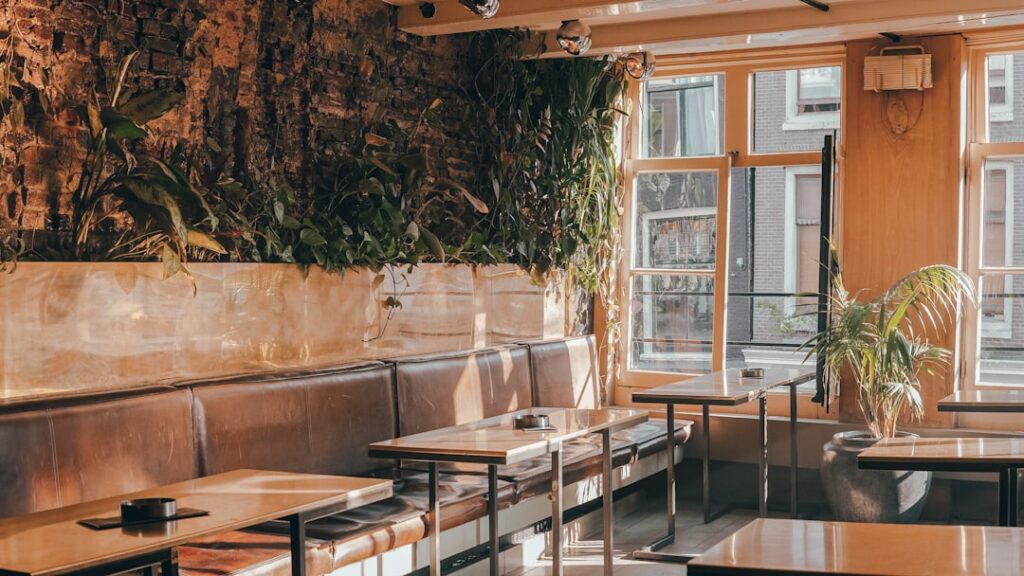
Design Your Coffee Shop Layout
Walking into a cramped coffee shop where customers and baristas constantly bump into each other is frustrating for everyone involved. New owners often skip over the layout until it causes real problems. A smart layout not only makes customers feel comfortable but also helps staff move efficiently. Think about how you use every inch of space and plan for both customer seating and employee workflow. This balance can save time and reduce stress behind the counter. Start by mapping out how your coffee shop will operate. Picture a clear path from the entrance to ordering, then to pickup. Customers should never block others or staff moving equipment. Arrange tables and counters so busy spots stay open. An open design encourages quick communication between baristas and patrons, speeding up service and reducing mistakes. Avoid placing furniture too close together; a good rule is to leave at least three feet between tables in high-traffic areas. Divide your shop into zones that serve different purposes. Have a quick grab-and-go section near the door for people in a rush. Place cozy seating deeper inside for those who want to relax or work. This zoning helps you handle different customer needs without crowding one area. It’s common for owners to underestimate how much space people need to feel comfortable, so test your layout by walking through it during busy times before finalizing. Accessibility matters more than just ticking boxes. Provide enough space for wheelchair users to enter, order, and sit comfortably. Mix seating heights to accommodate different preferences and ensure signage is clear and visible from multiple angles. Don’t forget that staff need easy access to all areas without having to squeeze between tables or around equipment, which often gets overlooked until it slows down service. Lighting influences how customers behave and how your space feels. Use bright lighting around the ordering counter to keep the line moving quickly, while softer, warmer lights in seating areas encourage people to stay longer. Layer ambient lighting with focused task lights above workstations and subtle accent lights on décor elements. Poor lighting can make a place look less inviting or cause eye strain for staff during long shifts. Technology integration should be part of your design plan from the start. Position point-of-sale terminals where baristas can work fast without blocking foot traffic. Consider installing mobile ordering options that let customers order ahead and skip lines during peak hours. Make sure power outlets are available at tables for laptops or phone charging, customers appreciate this detail when choosing where to sit. Practical experience teaches that owners often miss small but important steps, like checking the sightlines from the counter to all seating areas to maintain good customer interaction. Another common oversight is underestimating storage needs for supplies, which can lead to cluttered workstations and slower service. Creating a floor plan on paper or using design software before building helps catch these issues early. If you want to take a deeper dive into these principles, our layout design of coffee shop course walks through real-life examples to help avoid common layout mistakes. It covers workflow optimization, customer comfort strategies, and more. For additional resources on running your coffee business efficiently, visit coffee shop business tips. These practical guides cover everything from daily operations to managing peak times and staffing challenges.