
February 25, 2026

blue ocean
Construction Materials

Pool Waterproofing with Liquid Membrane

Preparing your pool for the warmer months can be frustrating if you find water leaking where it shouldn’t. Leaks not only waste water but can cause damage to the pool’s structure and surrounding areas. Applying a liquid membrane is a practical way to keep water where it belongs, preventing expensive repairs down the line. These membranes act as a protective layer, forming a tight barrier that stops moisture from seeping through surfaces like concrete or wood. Liquid membranes work well on different materials, which makes them versatile for indoor and outdoor use. For example, if your commercial building has a basement prone to flooding, coating the walls with a liquid membrane can reduce water entry and protect stored equipment or inventory. The material’s flexibility allows it to adapt to minor movements or cracks, which is especially important in structures exposed to shifting ground or temperature changes. Applying a liquid membrane often doesn’t require professional help. Most products are designed for straightforward application, though surface prep is critical. You need to clean and dry the area thoroughly, removing dirt, grease, or loose paint to ensure proper adhesion. Some membranes also require priming before application. For pools already filled with water, draining and drying the surface first is necessary, skipping this step is a common mistake that leads to early failure of the waterproofing layer. Coverage rates vary by product, but a pint typically covers about 50 square feet. Calculating how much you need saves trips back to the store or ordering excess material. Many users find that using a pool waterproofing calculator helps plan the project more accurately. It also helps avoid waste and keeps costs in check. Remember to factor in multiple coats since some membranes require two or three layers for effective sealing. Durability is another key factor when selecting a liquid membrane. Quality membranes resist UV damage and tolerate temperature swings without cracking or peeling. This is vital for outdoor pools exposed to sun and weather throughout the year. If your property features fountains or water installations, applying a strong waterproofing layer can extend their lifespan and reduce maintenance needs. Choosing the right product means comparing attributes like drying time, flexibility, and adhesion strength. Detailed comparison charts can highlight these features side by side, helping you pick a membrane suited to your specific environment and workload. For instance, some membranes dry quickly but may be less flexible; others take longer but offer better stretch for moving surfaces. Step-by-step guides are useful for beginners tackling pool waterproofing themselves. They cover everything from prepping surfaces correctly to applying coats evenly and inspecting the final seal. A common tip is to work in thin layers and let each coat dry fully before adding the next. Skipping this often causes bubbles or weak spots. If questions arise during your project or you need additional products like primers or sealants, don’t hesitate to reach out for support. Suppliers often provide technical assistance that can clarify concerns about application methods or compatibility with your pool materials. Having expert advice on hand can prevent costly mistakes and ensure the waterproofing performs as expected over time. For ongoing updates on waterproofing techniques and product releases, consider subscribing to newsletters focused on home improvement topics. Staying informed helps you keep your pool and related structures in good shape year after year. Also, practical habits like checking the membrane annually for cracks or wear catch issues early before they escalate. For more information, visit waterproofing advice for pools.

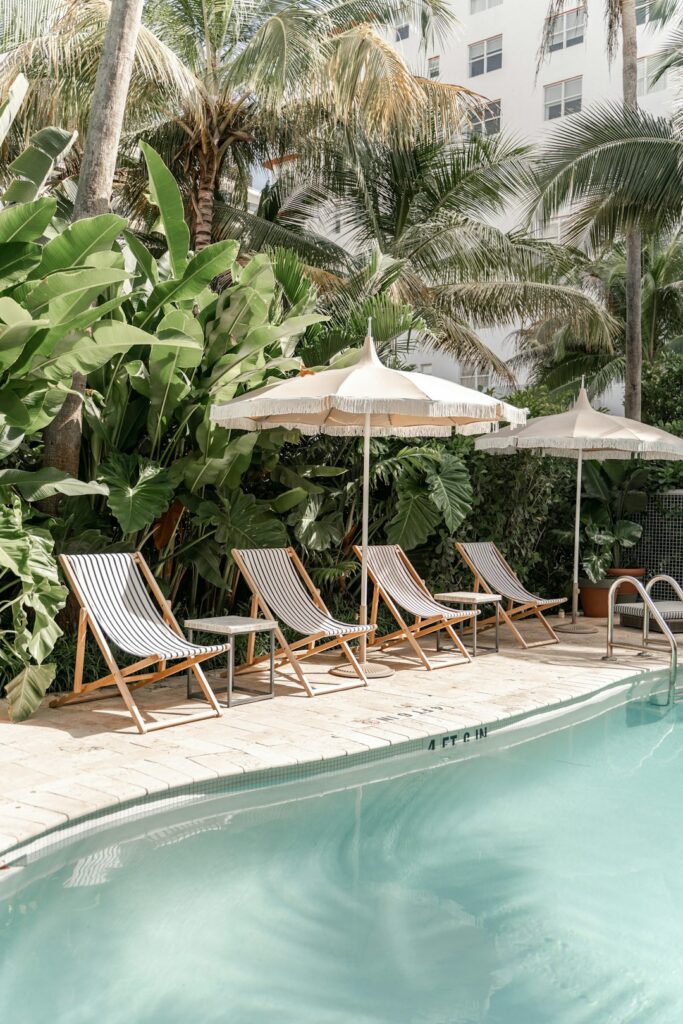
brown wooden folding chairs near swimming pool during daytime
Construction

Swimming Pool Waterproofing For Homeowners

Installing a new swimming pool is a big investment. But if water starts leaking through the walls or floor, it can lead to expensive fixes and damage your property’s foundation. Waterproofing is not just about keeping your pool looking good; it’s about protecting the structure from water damage that can worsen over time. Finding a reliable waterproofing method means your pool stays functional and stress-free for years. One popular choice is a liquid rubber membrane. It forms a flexible layer that blocks water from passing through surfaces like concrete, wood, or even underwater features such as fountains. When properly applied, this membrane sticks well and helps prevent leaks around edges and joints where cracks often develop. It’s important to prepare the surface by cleaning and drying it thoroughly before application to avoid adhesion problems later. If you want to tackle waterproofing yourself, liquid membranes are often user-friendly. They usually come with clear instructions. You just clean the pool’s surface, apply the product with a brush or roller, and wait for it to dry. Many homeowners find this approach rewarding because it cuts costs and lets them control the timing of their project. It’s also useful to measure your pool’s dimensions beforehand and use coverage calculators to estimate how much membrane you’ll need, preventing unnecessary purchases. Cost matters here, but don’t be tempted by the cheapest option. Low-quality waterproofing materials might save money upfront but could fail sooner, leading to more repairs. Spending on durable products can lower future maintenance expenses and reduce risks of leaks that harm basements or external foundations. Moisture issues outside the pool area often hint at needing waterproofing elsewhere on your property as well. When choosing products, comparing features like drying times, ease of application, and how well they hold up in different environments helps. Some membranes dry quickly but might be less flexible; others take longer but offer better resistance against cracking. Checking reviews or product datasheets can save you from problems down the line. Staying informed about innovations in waterproofing improves your chances of success. Subscribing to a home improvement newsletter can deliver updates on new materials and techniques straight to your inbox. Over time, you might discover methods that suit your climate or pool design better than what’s available now. Did you notice that a single pint of liquid membrane can cover a surprisingly large surface? Knowing the coverage rate helps you buy just enough product without waste. If you’re uncertain about quantities or if additional sealants are necessary, talk with customer service teams or consult professionals who can provide practical advice tailored to your pool. Effective swimming pool waterproofing depends on understanding the right materials and making smart choices for your situation. Whether you manage the project yourself or hire someone else, knowing what options exist makes maintaining your investment easier. For more detailed guidance on swimming pool waterproofing, check out specialized resources online. Sometimes owners overlook related issues like drainage around the pool deck, which can cause water to pool against the structure and undermine waterproofing efforts. Inspecting these areas regularly and repairing cracks promptly prevents minor problems from turning into major repairs. For broader advice on home maintenance issues connected to moisture control, visit pool maintenance tips and tricks.

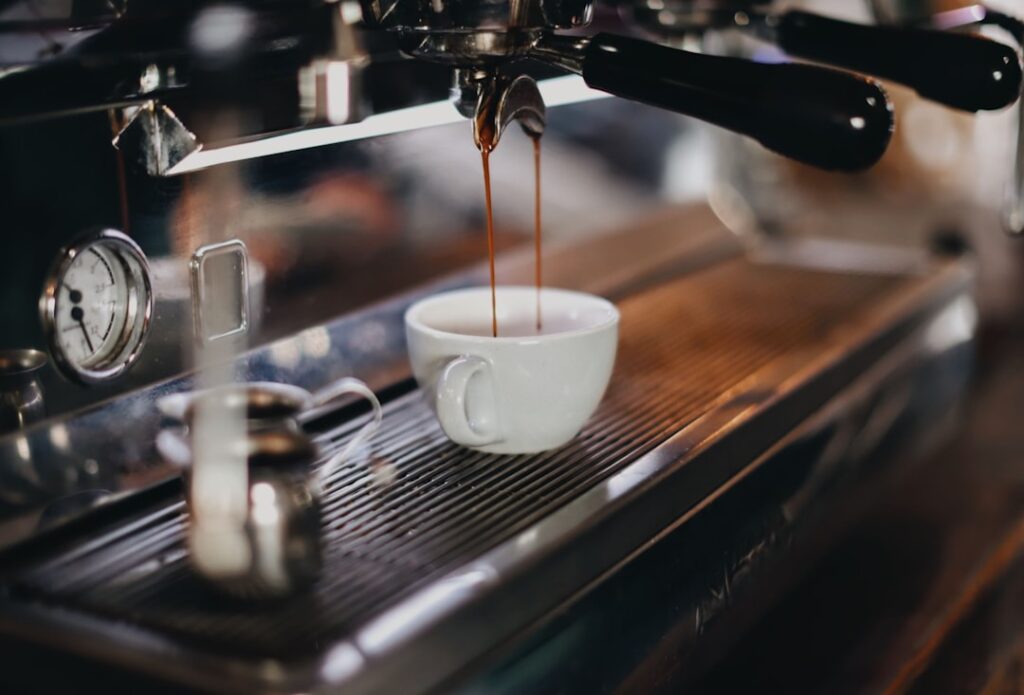
white ceramic cup on brown wooden table
Coffee

Charming Coffee Shop in Williamsburg

On a typical Saturday morning, walking into a coffee shop in Williamsburg means being greeted by the rich scent of freshly brewed coffee mixed with the smell of warm pastries. Williamsburg, New York, hosts a variety of cafés that serve both locals and visitors, each with its own character and menu. You’ll find everything from hand-crafted espresso drinks to carefully selected teas and cold brews. Many of these shops emphasize beans sourced from sustainable farms and rotate seasonal flavors to keep their offerings fresh. Baristas here often enjoy chatting about brewing techniques or the origins of their coffee, adding a layer of connection to each cup. The menus extend beyond basic coffee staples. Alongside traditional espresso options, expect creative cold brews, loose-leaf teas, and sometimes even unique blends you won’t find elsewhere. Several places highlight their ethical sourcing practices, which can be a deciding factor for those mindful of environmental impact. It’s common to see seasonal syrups or single-origin beans featured prominently on the chalkboard menus. Experienced baristas usually take the time to explain the profile of each bean if asked, which helps customers make informed choices. Some Williamsburg coffee shops double as weekend brunch spots. Imagine sitting down with a latte and a plate of avocado toast or shakshuka while soaking in vibrant, artsy décor that fits the neighborhood’s creative vibe. These venues often get busy during brunch hours, drawing crowds eager for hearty meals paired with quality coffee. The transition from morning calm to lively brunch scene is smooth, with many places offering dishes that pair well with their beverage selections. It’s common to see groups sharing food or individuals working on laptops amid the buzz. If you’re planning a private event, a number of these cafés provide spaces that can host anything from casual gatherings to more structured celebrations. The atmosphere usually combines industrial charm with cozy comfort, making for memorable occasions. Some even offer catering packages featuring their signature pastries and drinks, which helps hosts avoid last-minute scrambles. When booking, it’s wise to check details like seating capacity and noise policies to ensure the space suits your group’s needs. For those who want to enjoy Williamsburg coffee at home, several shops offer subscription services delivering freshly roasted beans on a regular schedule. Subscribing lets you try different roasts and flavor profiles without leaving your kitchen. It’s a practical way to support local businesses and maintain a steady supply of quality coffee. Regular customers often recommend storing beans properly in airtight containers away from light and heat to preserve freshness after delivery. Exploring beyond the main streets can lead you to hidden cafés offering excellent coffee and unique atmospheres. These spots might be less crowded but just as rich in character. Many feature local artwork or live music nights that connect patrons with the neighborhood’s creative pulse. It’s worth taking note of quieter times or days when events happen so you can catch these experiences without crowds. Whether you need a quiet corner for reading or a lively spot to meet friends, Williamsburg’s coffee scene has something for every mood. For insight into what makes some cafés stand apart, check out this coffee shop new york that captures the neighborhood’s spirit through diverse offerings and inviting spaces. With so many options around, spending time at different locations reveals what makes each one unique. If you want more information about the area’s food and drink culture, visit Williamsburg dining experiences for a broader look at what’s available beyond coffee.

Scroll to Top